
Physiological Efficacy of Houttuynia Cordata for Sebum Regulation and Pore Maintenance

Excessive sebum production often leads to enlarged follicular openings, creating a visual texture that many skincare users seek to refine. Heartleaf extract pore control relies on the bio-active properties of *Houttuynia cordata*, a plant extensively utilized in traditional medicine and modern dermocosmetic research. Incorporating this ingredient into a daily Skincare …

Read more

Evidence-Based Analysis of Functional Korean Skincare Ingredients for Hyperpigmentation and Skin Barrier Protection

International consumers pursuing optimal skin health often confront persistent hyperpigmentation and compromised moisture barriers due to environmental stressors. Addressing these physiological challenges requires looking past marketing claims to examine the biochemical mechanisms of topical agents used in modern routines.

Tranexamic Acid Brightening Serum Efficacy and Clinical Safety in K-Beauty

Tranexamic Acid Brightening Serum Efficacy and Clinical Safety in K-Beauty

Managing persistent hyperpigmentation requires precise active ingredients that target melanin synthesis pathways without causing chronic skin inflammation. A tranexamic acid brightening serum utilizes a synthetic derivative of the amino acid lysine to suppress UV-induced pigment production by inhibiting plasmin activity in epidermal cells.

Clinical Evaluation of Propolis Extract in Korean Skincare for Barrier Support and Inflammation

Propolis is a resinous substance collected by honeybees from various botanical sources, increasingly utilized in modern skincare for its diverse biological activities. While traditional applications focused on wound healing, current formulations prioritize the extract’s capacity to modulate inflammatory responses in the epidermis.

Evidence-Based Principles for a Minimalist Korean Skincare Regimen

Adopting a simplified K-beauty daily routine focuses on maintaining the structural integrity of the stratum corneum (the outermost layer of the skin) rather than layering excessive products. Many users find that reducing the number of steps improves long-term barrier resilience while decreasing the potential for contact dermatitis.

Evaluating Retinol and Adenosine Efficacy in Korean Functional Cosmetics

Topical application of retinol (vitamin A derivative) and adenosine is a standard approach for addressing structural skin concerns related to beauty. Clinical research consistently demonstrates that these compounds promote cellular turnover and enhance structural protein synthesis, provided they are formulated within stable delivery systems.

Scientific Analysis of Fermented Rice Extract Brightening and Enzymatic Skin Activity

Scientific Analysis of Fermented Rice Extract Brightening and Enzymatic Skin Activity

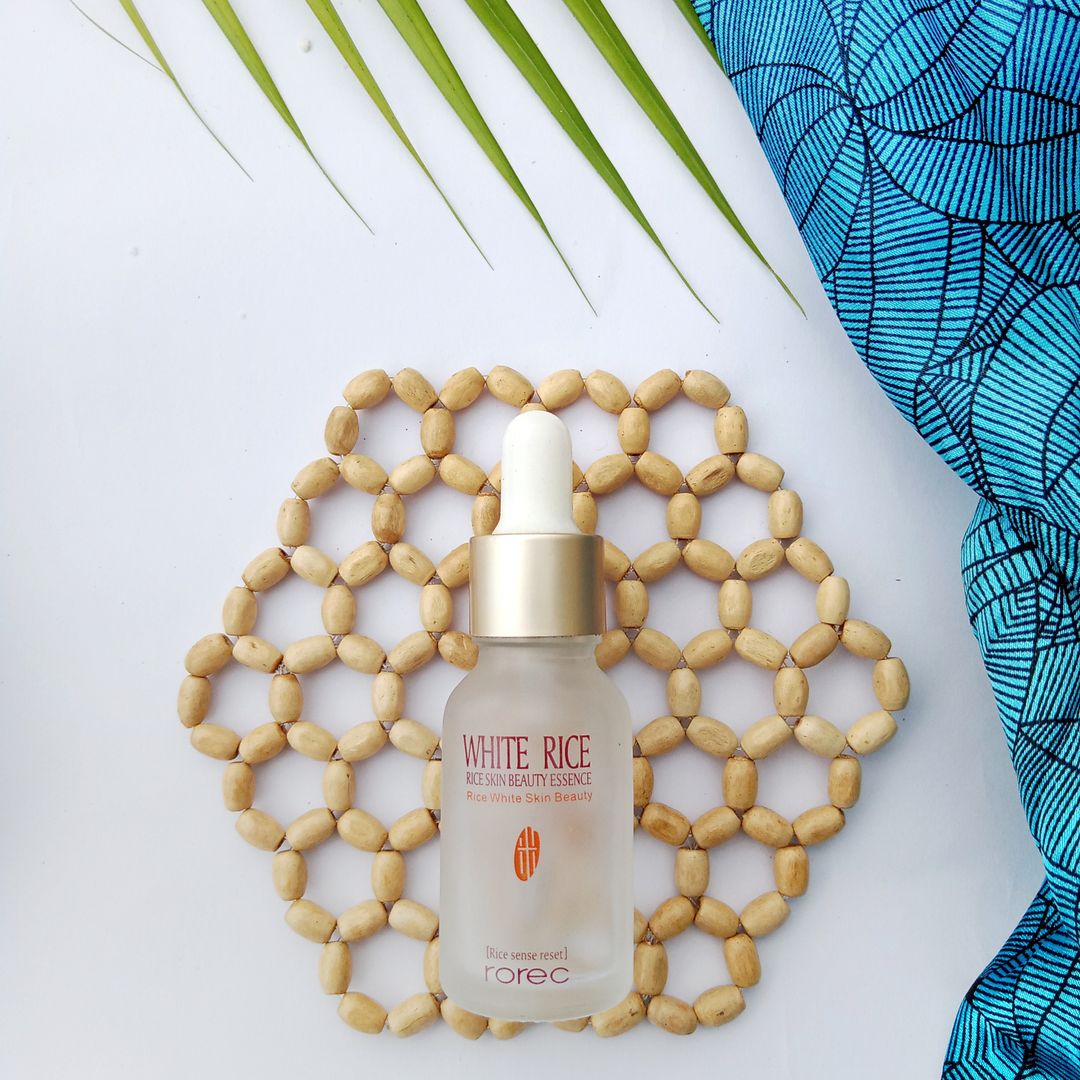
Scientific Analysis of Fermented Rice Extract Brightening and Enzymatic Skin Activity Fermented rice extract brightening relies on the metabolic transformation of rice components by microorganisms to enhance the bioavailability of skin-active compounds. As global interest in traditional botanical ferments grows, discerning the distinction between marketing narratives and established dermatological outcomes …

Read more

Streamlining Daily Skincare Regimens Through Evidence-Based K-Beauty Principles

Streamlining Daily Skincare Regimens Through Evidence-Based K-Beauty Principles

Adopting a simplified K-beauty daily routine reduces unnecessary product layering while maintaining essential skin barrier protection. International consumers frequently encounter complex multi-step regimens that risk irritation through redundant active ingredients.

Evidence-Based Evaluation of Centella Asiatica Soothing Creams for Compromised Skin Barriers

Evidence-Based Evaluation of Centella Asiatica Soothing Creams for Compromised Skin Barriers

Compromised skin barriers often manifest as persistent redness, stinging upon product application, and elevated transepidermal water loss (TEWL). Consumers seeking targeted relief frequently turn to a Centella Asiatica soothing cream to calm inflammatory pathways and support epidermal recovery.

Scientific Assessment of Niacinamide Concentrations and Barrier Function in Korean Skincare Formulations

Scientific Assessment of Niacinamide Concentrations and Barrier Function in Korean Skincare Formulations

Topical application of Niacinamide (vitamin B3) serves as a primary strategy for improving visible skin texture and supporting the stratum corneum (the outermost layer of the skin). This water-soluble compound functions by increasing ceramide biosynthesis, which effectively reduces transepidermal water loss (TEWL) and strengthens the moisture barrier.