
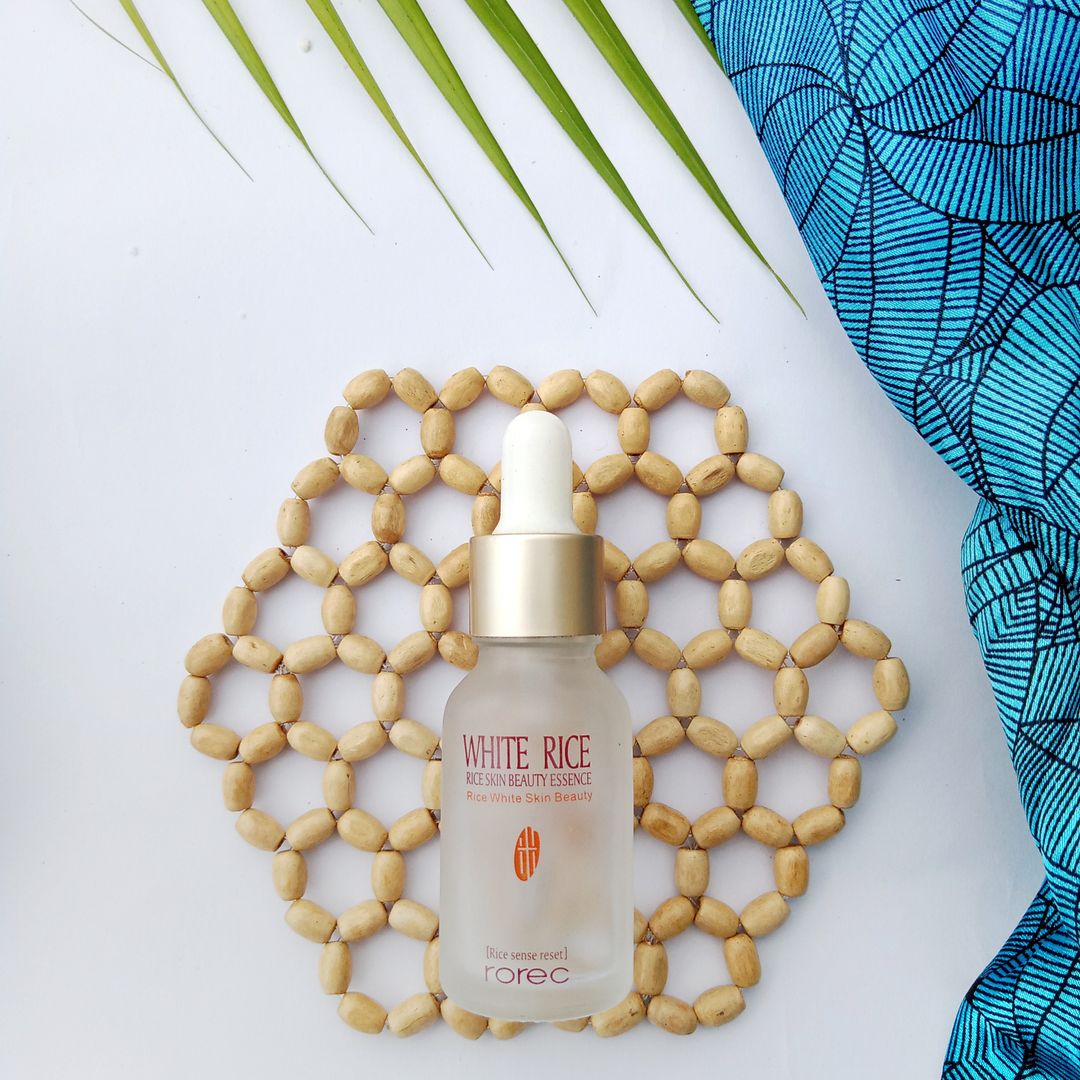

Fermented rice extract brightening relies on the metabolic transformation of rice components by microorganisms to enhance the bioavailability of skin-active compounds. As global interest in traditional botanical ferments grows, discerning the distinction between marketing narratives and established dermatological outcomes becomes essential for any K-Beauty Guide follower. This assessment evaluates the biochemical mechanisms of rice ferment filtrates and their role in contemporary skincare.
Metabolic Transformation and Skin Efficacy
The fermentation process involves the enzymatic breakdown of rice proteins and carbohydrates into smaller, more easily absorbed molecules such as peptides, amino acids, and organic acids. These smaller compounds often exhibit improved penetration through the stratum corneum (the outermost layer of the skin) compared to their non-fermented counterparts. Research suggests that these filtrates may assist in regulating melanin synthesis, the biological process responsible for skin pigmentation, by inhibiting specific enzymes that trigger dark spot formation.
While many consumers associate these extracts purely with hydration, the potential for brightening lies in the presence of kojic acid derivatives and other antioxidants produced during fermentation. These components work to neutralize free radicals and support a more uniform skin tone. For those building a regimen, integrating these extracts requires a foundational understanding of how they interact with other Products in your daily cabinet.
Interpreting Ingredient Labels
In South Korea, cosmetic manufacturers must adhere to strict labeling requirements to ensure consumer safety and transparency. When reviewing an ingredient list, look for terms like “Saccharomyces/Rice Ferment Filtrate” or “Aspergillus/Rice Ferment Extract.” These indicate that the manufacturer has utilized specific yeast or mold strains to initiate the bio-transformation process.
It is helpful to distinguish between a simple rice extract and a fermented variant. Fermentation alters the molecular profile, potentially increasing the concentration of beneficial metabolites that are not present in raw rice water. When evaluating items for your Anti-Aging routine, verify that the ferment appears high on the ingredient list, suggesting a meaningful inclusion level rather than a trace amount.
Routine Integration and Compatibility
Fermented rice ingredients are generally gentle, making them suitable for inclusion in both morning and evening routines. They often possess a slightly acidic pH, which aligns well with the natural mantle of the skin. If you are layering multiple actives, consider the following order of application:
- Cleansing: Remove surface debris to ensure the ferment can make direct contact with the skin.
- Toning: Apply the rice ferment essence or toner to damp skin to maximize absorption.
- Treatment: Follow with targeted serums, ensuring there is no conflict with high-concentration acids or retinoids.
- Moisturizing: Seal the active ingredients with a barrier-supporting cream or emulsion.
Safety Profiles and Usage Considerations
The fermentation process inherently changes the composition of the product, which can occasionally introduce sensitivity for those with specific fungal or yeast-related skin conditions. Before widespread application, perform a patch test on a small area of the inner forearm. If you have a history of contact dermatitis or reactive skin, consult the guidelines provided by the Ministry of Food and Drug Safety regarding cosmetic safety.
Individuals who are pregnant or nursing, or those currently undergoing treatment for chronic skin conditions, should seek advice from a dermatologist. While generally categorized as safe (GRAS) for topical use, individual skin biology dictates the final reaction to fermented ingredients. For broader historical and scientific context, readers may also reference resources on Korea Culture to understand the traditional origins of these practices.
Regulatory Standards and Verification
The Korea Cosmetic Association maintains rigorous documentation regarding the efficacy and safety of botanical ferments in cosmetic formulations. Manufacturers are required to provide robust evidence for any functional claims, such as brightening or pigmentation reduction. As of the article’s writing, these standards prioritize the preservation of the skin barrier while delivering measurable cosmetic improvements.
| Feature | Raw Rice Extract | Fermented Rice Extract |
|---|---|---|
| Molecular Size | Large/Complex | Reduced/Bioavailable |
| Primary Benefit | Soothing | Brightening/Exfoliation |
| Absorption Rate | Moderate | High |
| Stability | High | Requires Preservatives |
자주 묻는 질문 (FAQ)
Can fermented rice extract replace Vitamin C for brightening?
No. While both support an even tone, they function through different mechanisms. Vitamin C is a potent antioxidant, while rice ferment acts through enzymatic activity and mild exfoliating properties.
Is fermented rice extract suitable for acne-prone skin?
Generally yes, but those with specific yeast sensitivities should proceed with caution. Always perform a patch test first.
How often should I use rice ferment products?
Most products are formulated for daily use, both morning and evening, due to their typically gentle nature.
Does the fermentation process produce alcohol?
Only in trace, non-irritating amounts as a byproduct of the yeast reaction, which is standard in cosmetic chemistry.
Get in Touch
Have questions about your specific situation? Reach out anytime for a personal consultation.