Addressing Barrier Compromise and Irritation in Daily Skincare
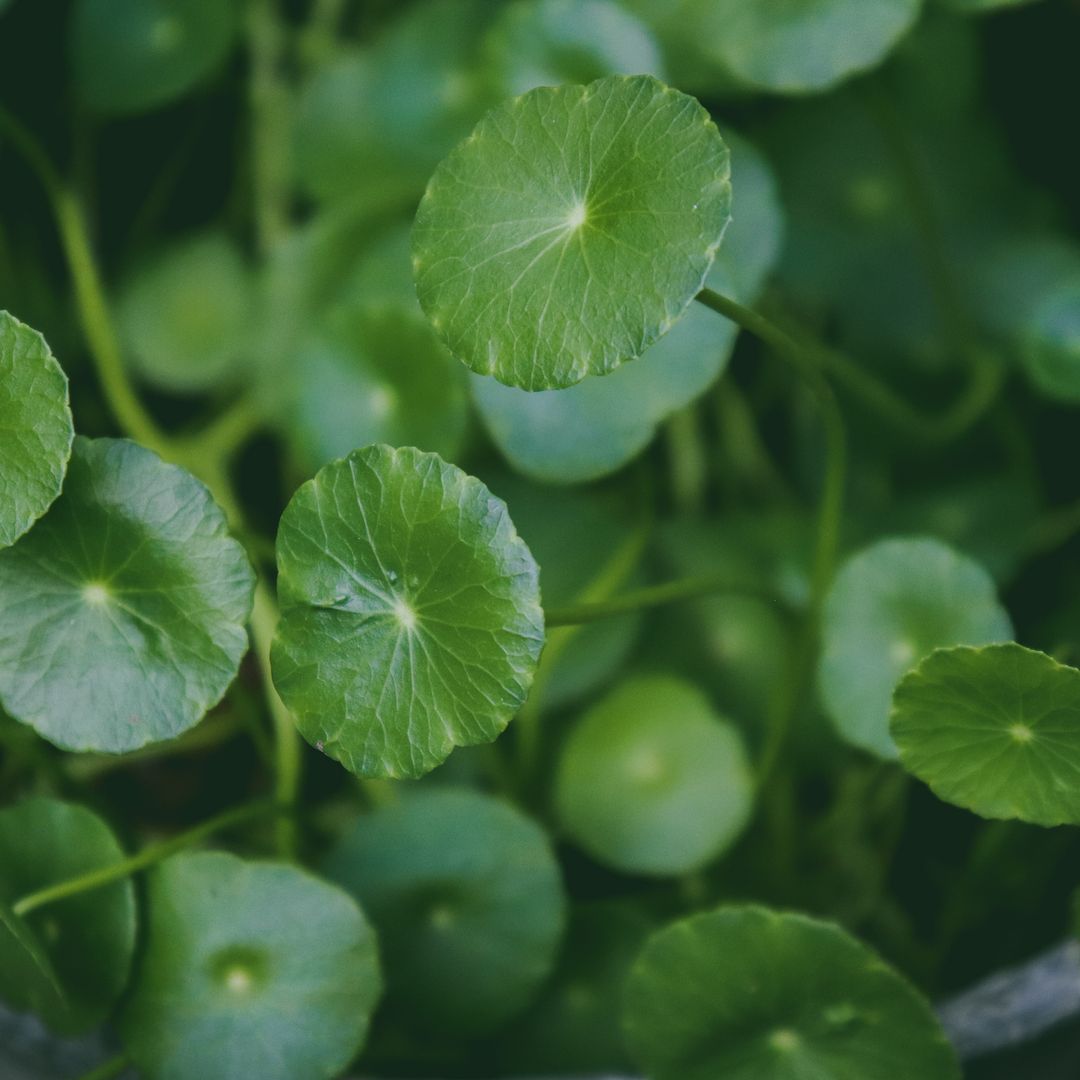
Compromised skin barriers often manifest as persistent redness, stinging upon product application, and elevated transepidermal water loss (TEWL). Consumers seeking targeted relief frequently turn to a Centella Asiatica soothing cream to calm inflammatory pathways and support epidermal recovery.
Selecting an appropriate formula requires looking past marketing claims to examine the biochemical constituents driving clinical efficacy. This evaluation details the active compounds, label literacy, and safety parameters necessary for evidence-led product selection within the broader K-Beauty Guide framework.
Pharmacological Efficacy of Active Terpenoids
The therapeutic utility of the source plant stems from its rich profile of pentacyclic triterpenoids, notably asiaticoside, madecassoside, asiatic acid, and madecassic acid. These bioactive molecules upregulate type I collagen synthesis and modulate inflammatory cytokine expression in keratinocytes.
Clinical studies demonstrate that topical application of these standardized extracts accelerates cutaneous wound healing and reinforces intercellular lipid lamellae. Readers exploring specific formulation types can examine various Products to identify options that maintain high triterpenoid purity without unnecessary synthetic fragrances.
Decoding Ingredient Lists and Concentration Metrics
Interpreting cosmetic labels requires understanding how manufacturers list active components relative to their concentration and extraction method. Whole leaf powders offer minimal active delivery compared to standardized isolate fractions or high-purity madecassoside concentrates.
- Asiaticoside: Promotes collagen production and structural skin remodeling.
- Madecassoside: Suppresses pro-inflammatory mediators to reduce localized erythema.
- Centella Asiatica Leaf Water: Replaces plain water bases with botanical solvent fractions, though often at lower active percentages.
- Madecassic Acid: Enhances overall barrier resilience and assists in micro-wound recovery.
Understanding these distinctions helps consumers navigate various Ingredients to find formulations tailored to specific sensitivity thresholds.
Regimen Integration and Layering Protocols
Integrating a botanical relief cream into an established regimen depends on its vehicle structure, whether water-rich gel or lipid-heavy emulsion. Applying the treatment after lighter hydrating essences allows the active triterpenoids to penetrate the stratum corneum before sealing with an occlusive layer.
Layering must be managed carefully when combining botanical extracts with potent chemical exfoliants or retinoids. Introducing calming formulations alongside active ingredients minimizes retinoid dermatitis while preserving cellular turnover benefits.
Contraindications and Potential Sensitivity Risks
While botanical extracts are generally well-tolerated by reactive skin types, raw or crude plant preparations can occasionally trigger allergic contact dermatitis. Purity matters significantly, as unrefined extracts may contain residual plant proteins or harvesting contaminants that provoke immune responses.
Individuals with known allergies to plants within the Apiaceae family should exercise caution and perform patch tests before full-face application. Consulting traditional medical perspectives through resources like Korea Culture offers additional context on how herbal pharmacognosy influences modern cosmetic development in Seoul laboratories.
Regulatory Standards and Quality Assurance Frameworks
Cosmetic manufacturing in Korea operates under stringent guidelines established by national health authorities to ensure consumer safety and labeling accuracy. The Korea Cosmetic Association (https://www.kcia.or.kr) provides industry oversight, working alongside regulatory bodies to monitor functional cosmetic claims.
Furthermore, the Ministry of Food and Drug Safety (https://www.mfds.go.kr/eng) enforces rigorous testing protocols for products marketed as functional barrier-repair treatments. As of the article’s writing, these agencies mandate comprehensive stability and microbial testing before any commercial distribution.
Comparative Analysis of Formulation Types
Formulations vary significantly in texture, lipid content, and intended skin condition, making a structured comparison essential for optimal selection.
| Formulation Type | Primary Vehicle | Best Suited For | Key Advantage |
|---|---|---|---|
| Gel-Cream | Water and light emollients | Oily, acne-prone, or dehydrated skin | Absorbs quickly without heavy residue |
| Rich Emulsion | Water-in-oil or heavy plant oils | Dry, compromised, or winter skin | Provides robust occlusive protection |
| Balm Format | Waxes and concentrated butters | Spot treatment for acute irritation | Creates an intensive physical barrier shield |
Evaluating these structural differences ensures that consumers match the correct product viscosity to their specific dermatological needs.
자주 묻는 질문 (FAQ)
What are the primary active compounds responsible for skin healing in Centella Asiatica?
The main bioactive constituents are pentacyclic triterpenoids, specifically asiaticoside, madecassoside, asiatic acid, and madecassic acid, which reduce inflammation and support collagen synthesis.
Can a Centella Asiatica soothing cream be used alongside prescription acne treatments?
Yes, its anti-inflammatory properties often help mitigate the dryness and irritation associated with retinoids or benzoyl peroxide, provided the product does not contain irritating fragrance additives.
How does the Ministry of Food and Drug Safety regulate these products?
The MFDS evaluates functional cosmetics for safety, efficacy, stability, and accurate labeling before they can be legally distributed to consumers.
Are there any allergy risks associated with botanical soothing creams?
Individuals with sensitivities to plants in the Apiaceae family may experience contact dermatitis, making patch testing essential before widespread application.
What is the difference between Centella Asiatica leaf water and madecassoside on an ingredient list?
Leaf water serves as a botanical solvent base with lower active concentrations, whereas madecassoside is an isolated, highly purified triterpenoid molecule offering targeted clinical efficacy.
Get in Touch
Have questions about your specific situation? Reach out anytime for a personal consultation.