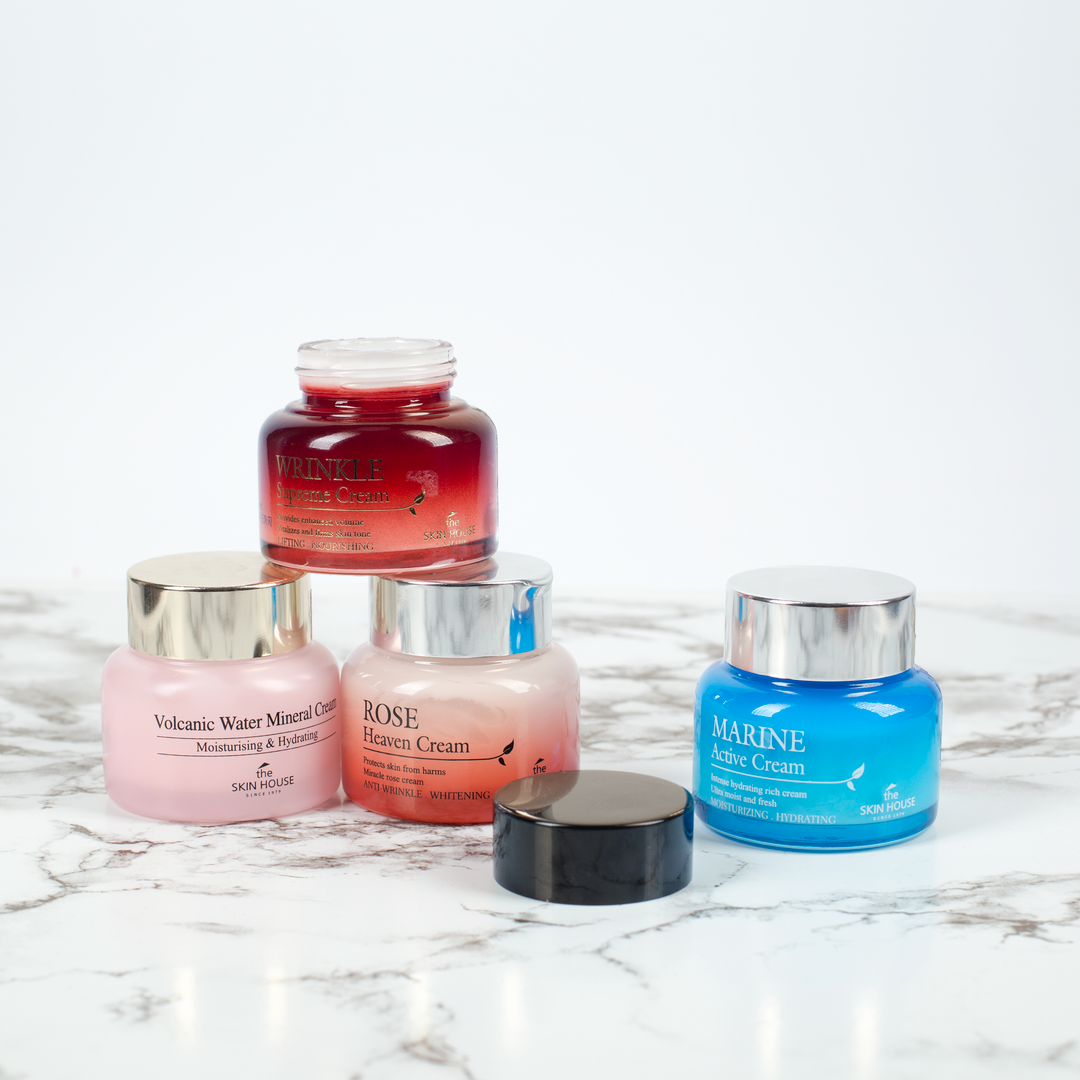
Evidence-Based Selection of Niacinamide and Adenosine in Korean Skincare Regimens

International consumers pursuing optimal skin beauty often encounter conflicting advice regarding active ingredient concentrations and layering techniques. Establishing a reliable daily regimen requires looking past marketing claims to focus on clinically evaluated compounds that support epidermal health.
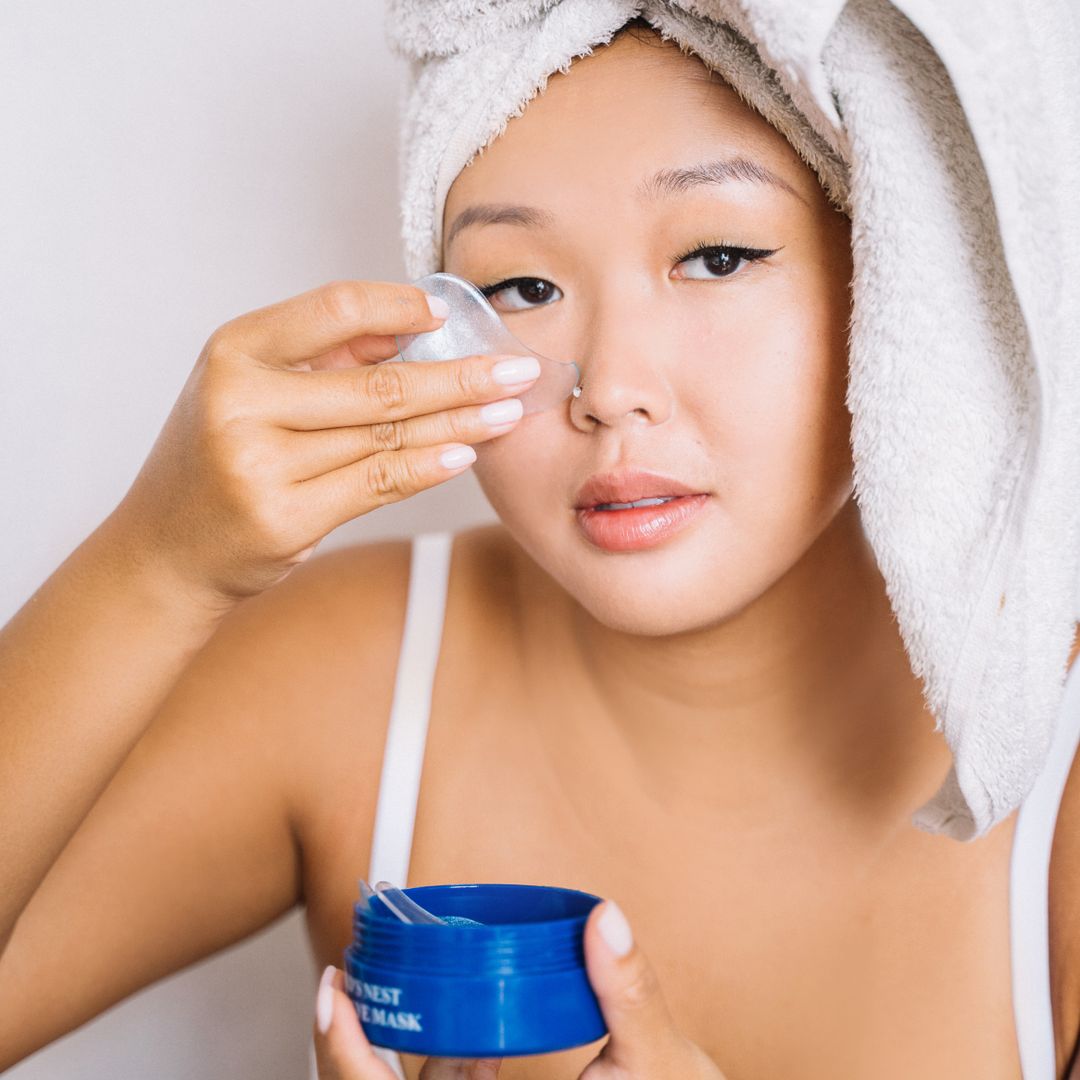

Evidence-Based Selection of Humectants and Occlusives for Optimal Dermal Moisture Retention

Evidence-Based Selection of Humectants and Occlusives for Optimal Dermal Moisture Retention

Maintaining skin barrier integrity requires a systematic approach to water retention, making a hydration focused K-beauty routine a primary strategy for preventing transepidermal water loss (TEWL). When the stratum corneum (the outermost layer of the skin) lacks sufficient moisture, the structural cohesion of intercellular lipids is compromised, leading to increased sensitivity and a dull appearance.

Evaluating Adenosine and Niacinamide Efficacy in Korean Functional Cosmetics

Maintaining long-term skin health requires a rigorous approach to ingredient selection, particularly when targeting visible signs of aging. In the context of global beauty standards, Korean skincare has pioneered the use of dual-functional formulations, which combine brightening and wrinkle-improvement properties into single delivery systems.

Physiological Foundations of Preventative K-Beauty Aging Care and Functional Ingredient Standards

Maintaining Long-Term Skin Integrity Through Evidence-Based Maintenance Preventative K-beauty aging care relies on the early introduction of functional ingredients designed to bolster the dermal matrix and enhance barrier resilience. Rather than focusing solely on corrective measures for established concerns, this approach prioritizes the consistent use of compounds known to support …

Read more

Evaluating Retinol and Adenosine Efficacy in Korean Functional Cosmetics

Topical application of retinol (vitamin A derivative) and adenosine is a standard approach for addressing structural skin concerns related to beauty. Clinical research consistently demonstrates that these compounds promote cellular turnover and enhance structural protein synthesis, provided they are formulated within stable delivery systems.

Evaluating Ethical Production and Eco-Friendly Formulations in Sustainable K-Beauty Brands

Evaluating Ethical Production and Eco-Friendly Formulations in Sustainable K-Beauty Brands

Evaluating ethical production standards and eco-friendly formulations helps consumers make informed choices when navigating a K-Beauty Guide . Modern cosmetics manufacturing increasingly prioritizes biodegradable packaging, ethically sourced botanicals, and verifiable environmental claims.

Scientific Assessment of Niacinamide Concentrations and Barrier Function in Korean Skincare Formulations

Scientific Assessment of Niacinamide Concentrations and Barrier Function in Korean Skincare Formulations

Topical application of Niacinamide (vitamin B3) serves as a primary strategy for improving visible skin texture and supporting the stratum corneum (the outermost layer of the skin). This water-soluble compound functions by increasing ceramide biosynthesis, which effectively reduces transepidermal water loss (TEWL) and strengthens the moisture barrier.

Managing Korean Skincare MoCRA Compliance for International Safety Standards

Managing Korean Skincare MoCRA Compliance for International Safety Standards

Managing Korean Skincare MoCRA Compliance for International Safety Standards Aligning current Skincare exports with evolving international safety mandates ensures consistent product quality and consumer trust. Adhering to the Modernization of Cosmetics Regulation Act (MoCRA) involves precise documentation of facility registration and adverse event reporting for all manufacturers distributing into the …

Read more

Regulatory Standards and Safety Profiles for Ethical Korean Beauty Products

Ethical Korean beauty products require a rigorous evaluation of supply chain transparency, animal welfare policies, and the scientific validity of active components. Consumers seeking to align their skincare habits with personal values must look beyond marketing claims toward verifiable manufacturing standards enforced by regional authorities.

Scientific Evaluation of EGF Skin Repair K-Beauty Formulations and Cellular Mechanisms

Scientific Evaluation of EGF Skin Repair K-Beauty Formulations and Cellular Mechanisms

Epidermal Growth Factor (EGF) supports cellular proliferation and tissue regeneration by binding to specific receptors on dermal cells. Consumers seeking advanced skincare options often look to these bio-active proteins to accelerate surface recovery after environmental stress or aggressive exfoliation.