
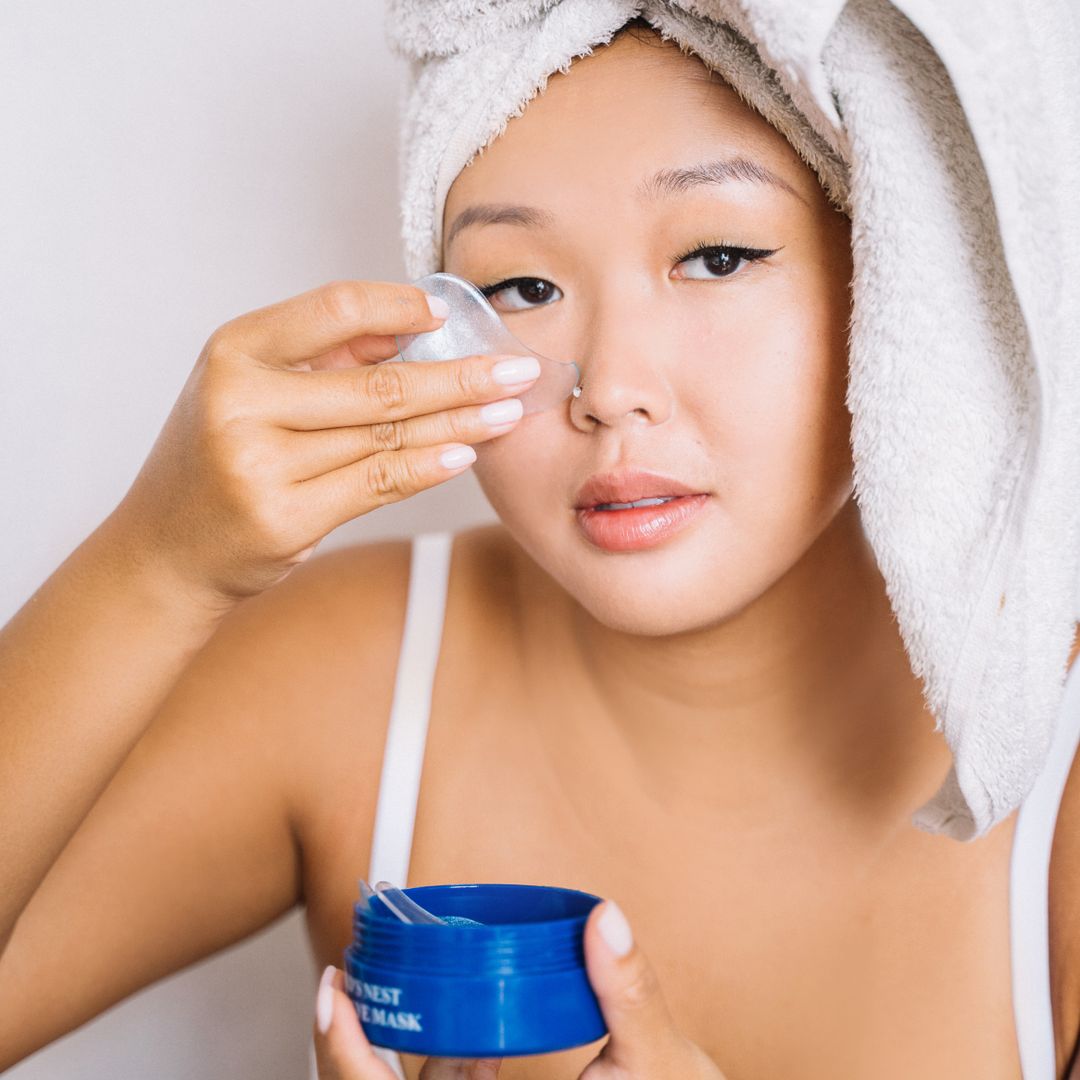

The Physiological Basis for Moisture Management
Maintaining skin barrier integrity requires a systematic approach to water retention, making a hydration focused K-beauty routine a primary strategy for preventing transepidermal water loss (TEWL). When the stratum corneum (the outermost layer of the skin) lacks sufficient moisture, the structural cohesion of intercellular lipids is compromised, leading to increased sensitivity and a dull appearance.
Effective hydration relies on balancing humectants, which draw moisture into the skin, with occlusives, which create a physical barrier to prevent evaporation. Utilizing evidence-led Skincare practices ensures that these layers remain effective throughout the day without overloading the follicular openings.
Scientific Evaluation of Core Hydrating Agents
Modern formulations often utilize multi-molecular weight hyaluronic acid to ensure penetration across various depths of the epidermis. According to standards observed by the Korea Cosmetic Association, the concentration and molecular size of these Ingredients are critical to their performance in topical applications.
The efficacy of a hydration strategy is not determined by the number of steps, but by the molecular compatibility of the humectants used in conjunction with barrier-repairing lipids.
- Low-molecular-weight Hyaluronic Acid: Facilitates deeper penetration to provide internal plumping effects.
- Ceramides: Essential for reinforcing the lipid bilayer and preventing moisture leakage.
- Panthenol (Vitamin B5): Acts as a humectant and skin protectant, supporting the natural healing process of the barrier.
- Glycerin: A highly effective, stable humectant that remains the gold standard for long-term moisture maintenance.
Strategic Implementation and Compatibility
When selecting Products, the sequence of application is dictated by viscosity and absorption speed. Applying aqueous humectants on slightly damp skin maximizes the volume of water available to be drawn into the dermis, while final occlusive layers ensure this moisture remains trapped.
For those seeking professional guidance or advanced dermatological procedures to support barrier health, Medical Tourism resources can offer access to clinical assessments. It is essential to monitor for signs of over-hydration or barrier disruption, such as persistent redness or unexpected breakouts, when introducing new, potent formulations.
Regulatory Safety Standards
The Ministry of Food and Drug Safety mandates strict labeling and testing protocols to ensure that hydrating agents do not trigger contact dermatitis. Consumers should verify that their products have undergone appropriate stability testing to ensure that the chemical profile remains consistent under varied storage conditions.
| Component Type | Primary Function | Best Applied | Key Indicator |
|---|---|---|---|
| Humectants | Attract water | Damp skin | Hygroscopic ability |
| Emollients | Smooth skin | After serums | Spreadability |
| Occlusives | Seal moisture | Final step | TEWL reduction |
Risk Assessment and Usage Guidelines
Individuals with compromised skin barriers should introduce high concentrations of active hydrating ingredients gradually to monitor for localized irritation. While ingredients like panthenol are generally well-tolerated, individuals with specific contact allergies must always verify the full INCI (International Nomenclature of Cosmetic Ingredients) list provided by the manufacturer.
Avoiding the overuse of exfoliating acids alongside intense hydration steps is a critical safety practice. If irritation occurs, a simplified routine focusing solely on barrier-replenishing ceramides is the recommended course of action until the skin reaches homeostasis.
자주 묻는 질문 (FAQ)
Can layering too many hydrating products cause skin congestion?
Yes, applying excessive amounts of occlusive agents can potentially block pores. It is advisable to use lightweight layers and observe how your skin reacts to each specific formulation.
Should I apply my hydrating serum to completely dry or wet skin?
Applying humectant-rich serums to slightly damp skin can increase the amount of moisture the product pulls into the epidermis, enhancing its overall effectiveness.
How does the Ministry of Food and Drug Safety regulate moisturizing ingredients?
The MFDS enforces strict labeling requirements and ingredient safety assessments to ensure that cosmetic products do not pose health risks to consumers.
Why is molecular weight important in hyaluronic acid products?
Lower molecular weights allow for deeper penetration, while higher molecular weights sit on the surface to provide an immediate plumping effect and protective barrier.
Get in Touch
Have questions about your specific situation? Reach out anytime for a personal consultation.