
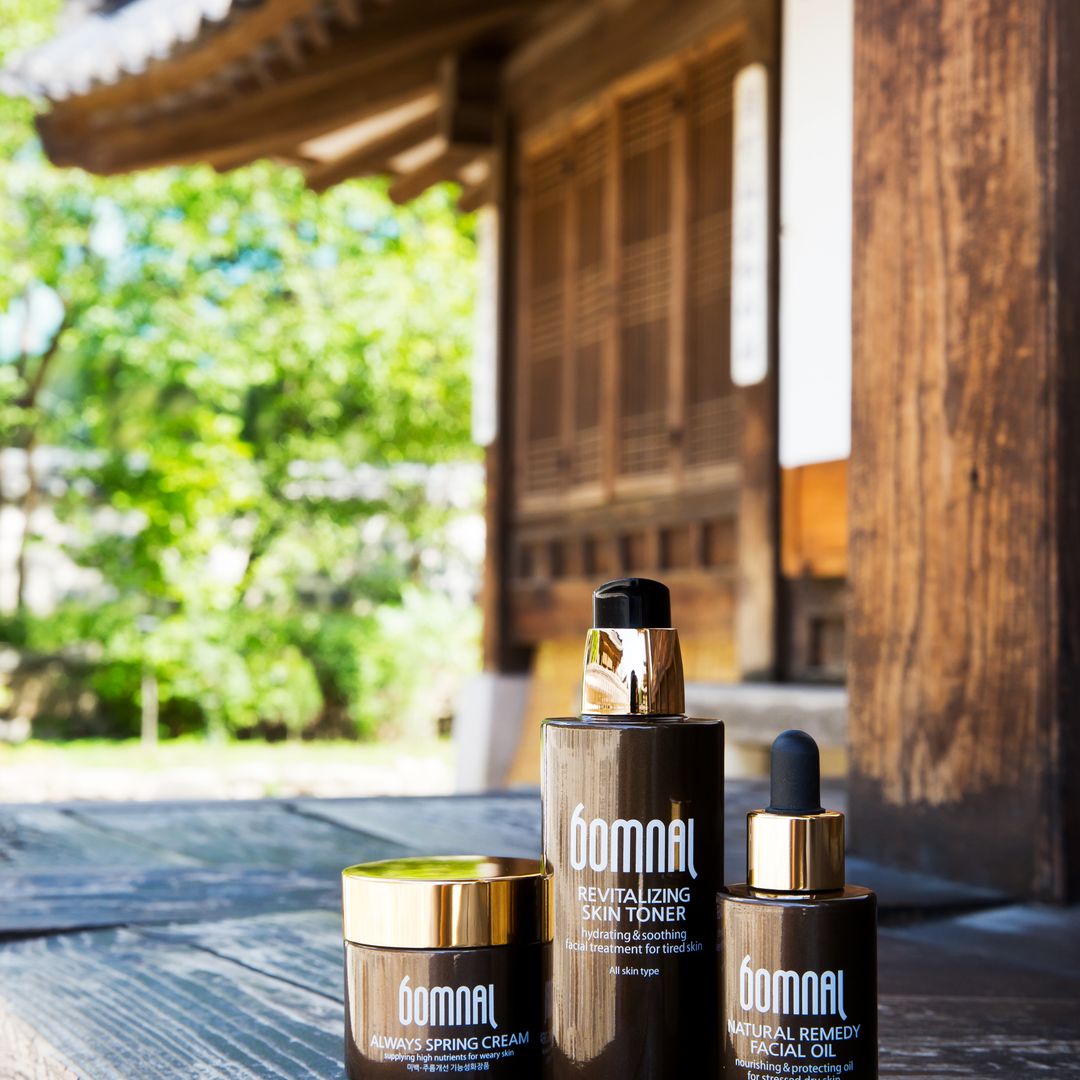

Adopting a personalized Korean skincare regimen requires a systematic evaluation of individual skin barrier health and specific functional needs. By prioritizing evidence-based active ingredients over marketing trends, consumers can construct a routine that addresses dermatological concerns while maintaining skin integrity.
Establishing Your Primary Skin Objectives
Determining your skin type remains the most critical step before selecting any topical formulation. The K-Beauty Guide emphasizes that identifying whether your skin is prone to transepidermal water loss (dehydration) or excessive sebum production dictates the necessary concentration of humectants and emollients.
Users should categorize their primary concerns into distinct groups. This approach ensures that you do not overload the dermal layers with conflicting actives that could lead to contact dermatitis.
Evidence-Based Ingredient Selection
Functional ingredients in the Korean market are often categorized by their specific physiological impact on the skin. Understanding these categories helps in choosing Products that align with your long-term skin health goals.
| Ingredient Category | Primary Function | Best For |
|---|---|---|
| Humectants (e.g., Hyaluronic Acid) | Water retention | Dehydrated skin |
| Ceramides | Barrier restoration | Compromised skin |
| Niacinamide | Barrier support/Brightening | Uneven skin tone |
| Centella Asiatica | Anti-inflammatory | Sensitive skin |
Decoding Product Labeling
Reading ingredient lists necessitates looking past the branding and focusing on the INCI (International Nomenclature of Cosmetic Ingredients). The Ministry of Food and Drug Safety (MFDS) mandates that ingredients be listed in descending order of concentration, except for those present at 1% or less.
Scanning the first five ingredients provides a clear picture of the product’s base. If your skin is sensitive, checking for volatile alcohols or heavy fragrance concentrations near the top of the list is a vital safety step.
Routine Placement and Synergy
The sequence of applying Skincare products follows the principle of moving from the lowest molecular weight to the highest. This allows for optimal penetration of aqueous essences before locking in hydration with thicker creams.
- Cleansing: Removes environmental pollutants and surplus sebum without stripping the acid mantle.
- Essence/Serum: Delivers concentrated actives to target specific concerns like hyperpigmentation or dehydration.
- Moisturizing: Acts as an occlusive layer to prevent moisture evaporation throughout the day.
- Sun Protection: The final, non-negotiable step to prevent photo-aging and UV-induced cellular damage.
Identifying Irritation Risks
Even beneficial ingredients can trigger adverse reactions if used in the wrong concentration or frequency. Integrating new products slowly allows you to monitor for redness, itching, or unexpected breakouts.
The Korea Cosmetic Association (Korea Cosmetic Association) suggests that patch testing on the inner arm for 48 hours is a prudent measure for those with reactive skin. If irritation occurs, discontinue use immediately to allow the skin barrier to stabilize.
Resource Verification and Safety Standards
When selecting formulas, rely on data provided by national regulatory bodies rather than social media trends. The MFDS provides updated guidelines on permissible ingredient limits and safety protocols. As of this writing in 2026, these standards ensure that the industry adheres to rigorous testing for consumer safety.
Adhering to these evidence-led guidelines transforms your daily care into a scientific, goal-oriented process. Consistency remains the most important factor in achieving visible improvements in skin texture and health.
자주 묻는 질문 (FAQ)
How do I know if an ingredient is safe for my skin?
Check the ingredient against the MFDS database to ensure it complies with current safety regulations for topical use.
Should I use all my new products at once?
No, introduce one product at a time over several days to identify potential sensitivities and ensure compatibility.
What is the most important step in a Korean skincare routine?
Consistent use of broad-spectrum sunscreen is essential to protect the skin from UV-related damage and maintain long-term health.
Where can I find reliable information on Korean skincare standards?
Refer directly to the Ministry of Food and Drug Safety or the Korea Cosmetic Association for official regulatory and safety information.
Get in Touch
Have questions about your specific situation? Reach out anytime for a personal consultation.