
Evidence-Based Principles for a Minimalist Korean Skincare Regimen

Adopting a simplified K-beauty daily routine focuses on maintaining the structural integrity of the stratum corneum (the outermost layer of the skin) rather than layering excessive products. Many users find that reducing the number of steps improves long-term barrier resilience while decreasing the potential for contact dermatitis.

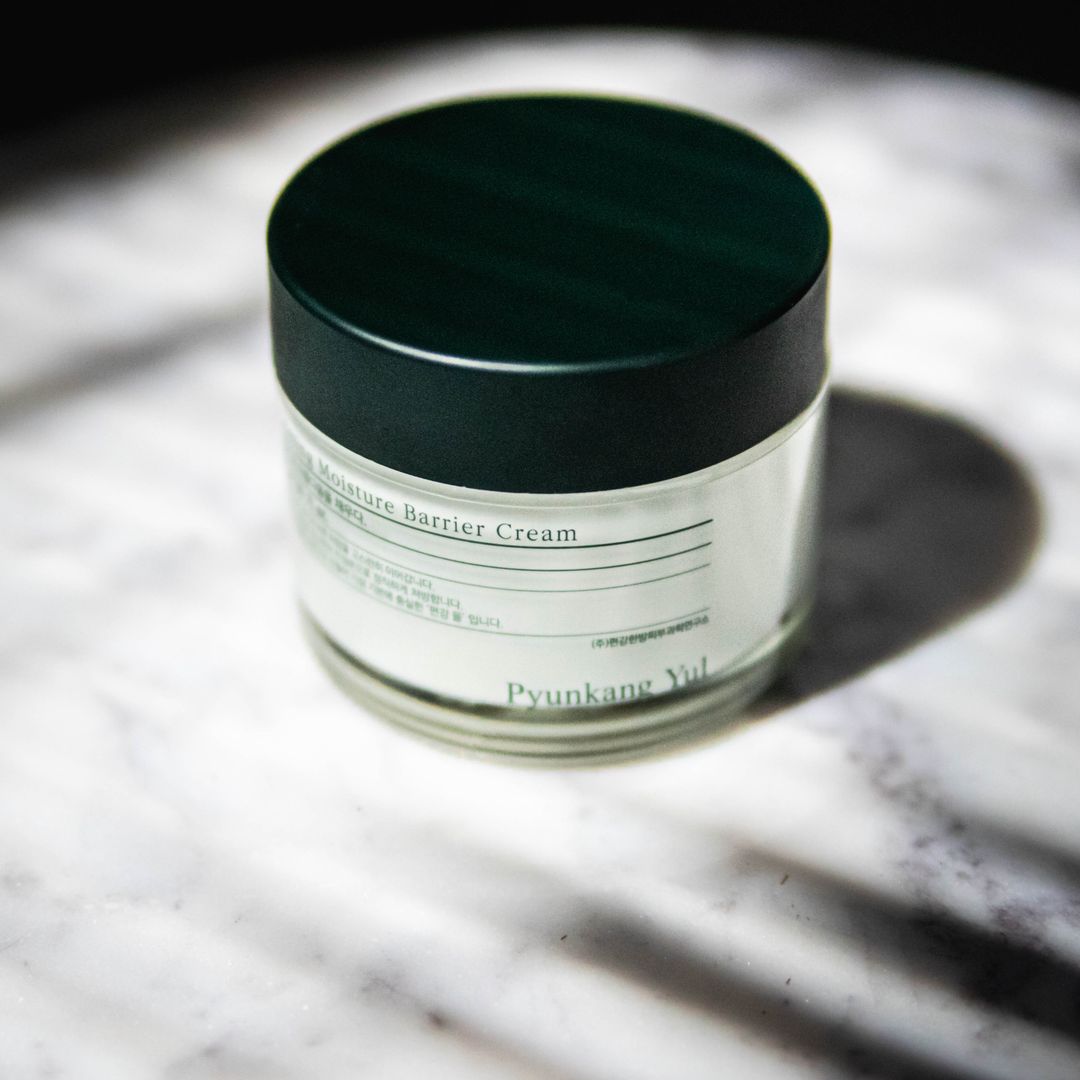
Evidence-Based Efficacy of Bakuchiol Slow Aging Serum in K-Beauty Regimens

Evidence-Based Efficacy of Bakuchiol Slow Aging Serum in K-Beauty Regimens

International skincare consumers increasingly seek botanical alternatives to conventional retinoids that minimize irritation while maintaining collagen stimulation. A Bakuchiol slow aging serum offers a clinically studied phytochemical approach for individuals with reactive skin barriers who experience peeling or stinging from traditional vitamin A derivatives.

Decoding Korean Cosmetic Safety Assessment Standards for International Skincare Enthusiasts

Understanding how regulatory agencies evaluate topically applied formulas helps consumers make informed choices about daily care items. The Korean cosmetic safety assessment framework establishes rigorous scientific benchmarks that every domestic and imported formulation must clear before reaching retail shelves.

Clinical Evaluation of Bifida Ferment Lysate Barrier Repair Mechanisms in Korean Cosmetics

Clinical Evaluation of Bifida Ferment Lysate Barrier Repair Mechanisms in Korean Cosmetics

Modern topical formulations heavily rely on microbial-derived components to restore surface integrity when skin experiences persistent moisture loss and environmental stress. A Bifida ferment lysate barrier functions by delivering peptides, lactic acid, and amino acids directly to the upper layers of the epidermis, encouraging natural repair processes.

Evaluating Retinol and Adenosine Efficacy in Korean Functional Cosmetics

Topical application of retinol (vitamin A derivative) and adenosine is a standard approach for addressing structural skin concerns related to beauty. Clinical research consistently demonstrates that these compounds promote cellular turnover and enhance structural protein synthesis, provided they are formulated within stable delivery systems.

Protecting Skin Barriers in Dry Weather: Formulations for International Visitors

Low humidity levels and freezing outdoor temperatures accelerate transepidermal water loss, leaving unprotected skin vulnerable to micro-tears and chronic irritation. International visitors adapting to seasonal climate shifts often experience sudden barrier compromise because indoor heating systems dry ambient air even further.

Dual-Functional Korean Formulations for Barrier Repair and Hyperpigmentation Management

Formulating topical products within the modern Korean beauty sector requires strict compliance with functional cosmetic standards established by national regulatory authorities. Consumers seeking to manage post-inflammatory hyperpigmentation (darkening that follows cutaneous inflammation) alongside transepidermal water loss (TEWL; the passive movement of water from the dermis through the stratum corneum into the atmosphere) often struggle to integrate separate active serums without triggering cutaneous irritation.

Evaluating Vegan K-beauty Routine Products: Ingredient Selection and Safety Standards

Evaluating Vegan K-beauty Routine Products: Ingredient Selection and Safety Standards

The increasing demand for Vegan K-beauty routine products necessitates a clear understanding of their formulation and regulatory compliance. Consumers are increasingly seeking skincare options that align with ethical considerations, prompting manufacturers to innovate within strict guidelines.

Evaluating Houttuynia Cordata Extract Formulations for Follicular Tightening and Sebum Reduction

Evaluating Houttuynia Cordata Extract Formulations for Follicular Tightening and Sebum Reduction

Heartleaf extract pore control relies on the bioactivity of Houttuynia cordata , a traditional East Asian botanical rich in flavonoid glycosides (plant-derived antioxidant compounds) that reduce cutaneous inflammation and excess sebum secretion. Enlarged follicular openings frequently stem from heightened sebum (the skin’s natural lipid lubrication) production or trapped keratin debris, prompting consumers to seek soothing botanical astringents to refine surface texture.

Scientific Principles of the Morning K-Beauty Routine 2026 for Skin Barrier Protection

Scientific Principles of the Morning K-Beauty Routine 2026 for Skin Barrier Protection

Modern consumers often struggle to align complex multi-step regimens with clinical skin barrier requirements. Maintaining skin homeostasis depends heavily on choosing active compounds that support intercellular lipid matrices without inducing localized irritation.