
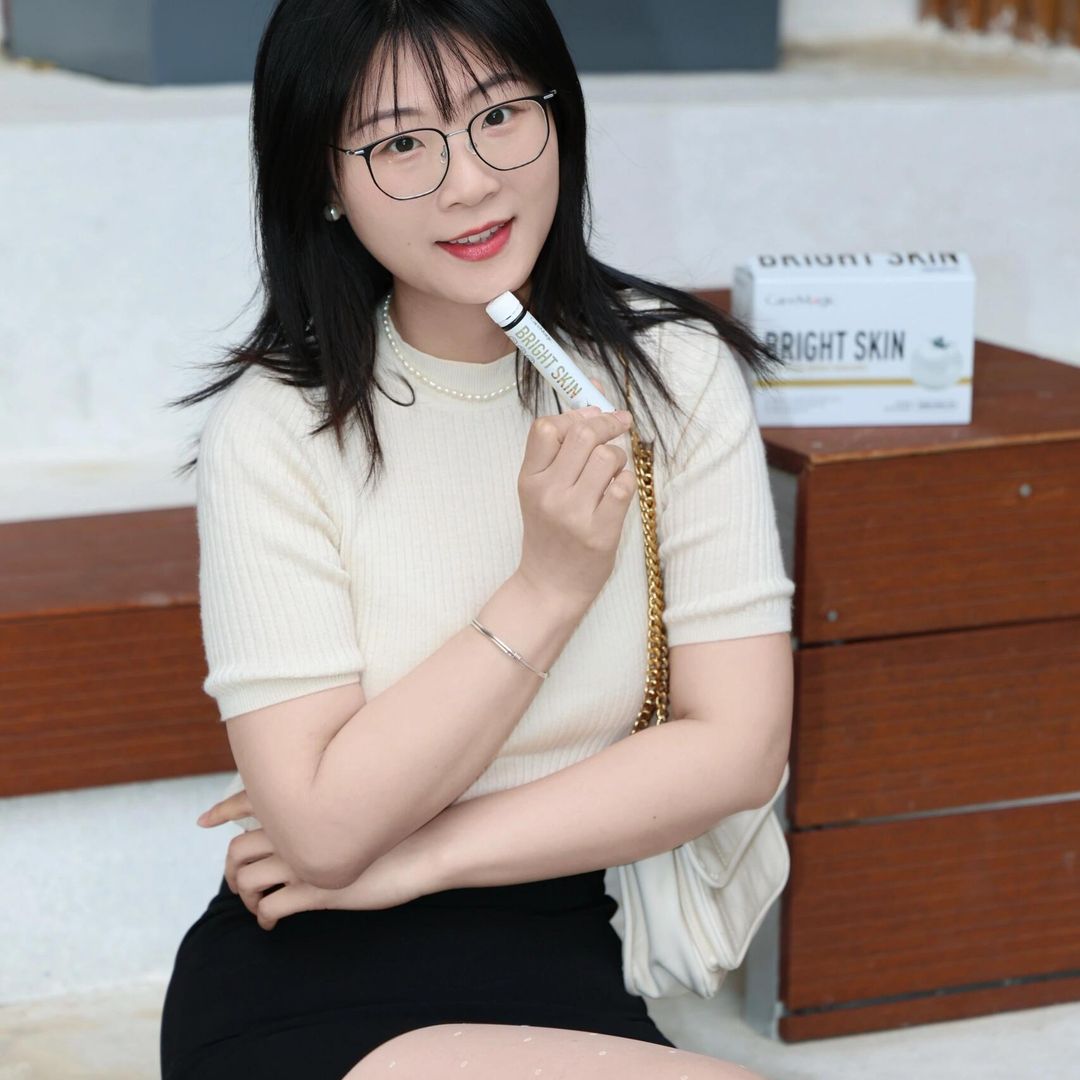

Decoding Marketing Language in International Cosmetics
Translating overseas cosmetic marketing into verifiable performance metrics requires looking past promotional language to examine active formulations. International shoppers frequently encounter terms like luminosity, cellular renewal, or barrier restoration without clear explanations of the underlying chemistry.
Evaluating these imported formulas begins with separating standard marketing terminology from substantiated clinical activity. Our K-Beauty Guide explores how to bridge this gap safely.
Active Compound Concentration and Efficacy
The efficacy of any cosmetic preparation depends heavily on its ingredient deck and delivery mechanism. Understanding how active compounds interact with the stratum corneum (the outermost layer of the epidermis) helps clarify what topical applications can realistically achieve.
Formulations frequently combine humectants (substances that draw moisture from the environment into the skin), emollients (lipids that smooth skin texture), and occlusives (agents that prevent transepidermal water loss). Readers looking to refine their approach can browse general Skincare resources for baseline routines.
| Claim Category | Marketing Term | Underlying Mechanism | Evidence Standard |
|---|---|---|---|
| Hydration | Deep Moisture Infusion | Hyaluronic acid or glycerin binding water in upper skin layers | In vitro moisture retention tests |
| Brightening | Spot Eradication | Niacinamide or arbutin inhibiting melanosome transfer | Clinical pigmentation scoring |
| Firming | Collagen Boosting | Peptides supporting extracellular matrix protein synthesis | Fibroblast proliferation assays |
| Smoothing | Instant Pore Eraser | Silicone polymers temporarily filling microscopic surface depressions | Topographical profilometry |
Reading Foreign and Domestic Cosmetic Labels
Interpreting ingredient lists accurately prevents adverse reactions and ensures targeted results for specific dermatological needs. Regulatory frameworks govern how active percentages and safety warnings appear on packaging.
- INCI compliance: International Nomenclature of Cosmetic Ingredients ensures standardized naming across borders.
- Order of predominance: Ingredients are listed in descending order by weight up to one percent.
- Allergen disclosure: Fragrance components like linalool or limonene must be explicitly declared for sensitive users.
Integrating New Formulas Into Established Regimens
Layering active treatments incorrectly can compromise skin barrier integrity and trigger contact dermatitis. Introducing novel formulations requires a methodical patching phase followed by gradual frequency increases.
Those focused on long-term structural resilience often incorporate Anti-Aging protocols alongside daily photoprotection. Consistency matters more than high concentrations when building lasting tolerance.
Managing Irritation Risks and Adverse Reactions
Even well-formulated topicals can provoke irritation in compromised skin barriers or sensitive cohorts. Recognizing early signs of inflammation—such as transient erythema (redness), stinging, or flaking—allows for timely cessation of use.
Individuals with chronic inflammatory conditions like rosacea or eczema should consult a dermatologist before adopting potent active routines. Travelers seeking advanced dermatological procedures abroad often research options via Medical Tourism networks for professional oversight.
Regulatory Oversight and Safety Verification
Global cosmetic safety relies on rigorous post-market surveillance and toxicological evaluations. Authoritative bodies like the Ministry of Food and Drug Safety and the Korea Cosmetic Association establish safety standards for manufacturing and labeling practices.
Reviewing official guidance helps international consumers verify product authenticity and manufacturing compliance as of the article’s writing in 2026.
자주 묻는 질문 (FAQ)
Are Korean cosmetic claims regulated differently than US products?
Yes, exporting nations maintain distinct regulatory frameworks, though products sold in the US must comply with FDA labeling and safety guidelines.
How can I verify the active ingredient concentration in imported cosmetics?
Brands are not always required to list exact percentages, but ingredient order on the INCI list indicates relative concentration by weight.
What should I do if a new imported serum causes stinging?
Discontinue use immediately, rinse the area with cool water, and apply a gentle, fragrance-free barrier cream until normal skin function returns.
Can I combine multiple active ingredients from different skincare lines?
Combining strong actives like retinoids and exfoliating acids can cause irritation, so patch testing and gradual introduction are recommended.
Where can I find official safety data on Korean cosmetic ingredients?
The Ministry of Food and Drug Safety and the Korea Cosmetic Association provide comprehensive regulatory updates and ingredient safety profiles.
Get in Touch
Have questions about your specific situation? Reach out anytime for a personal consultation.