
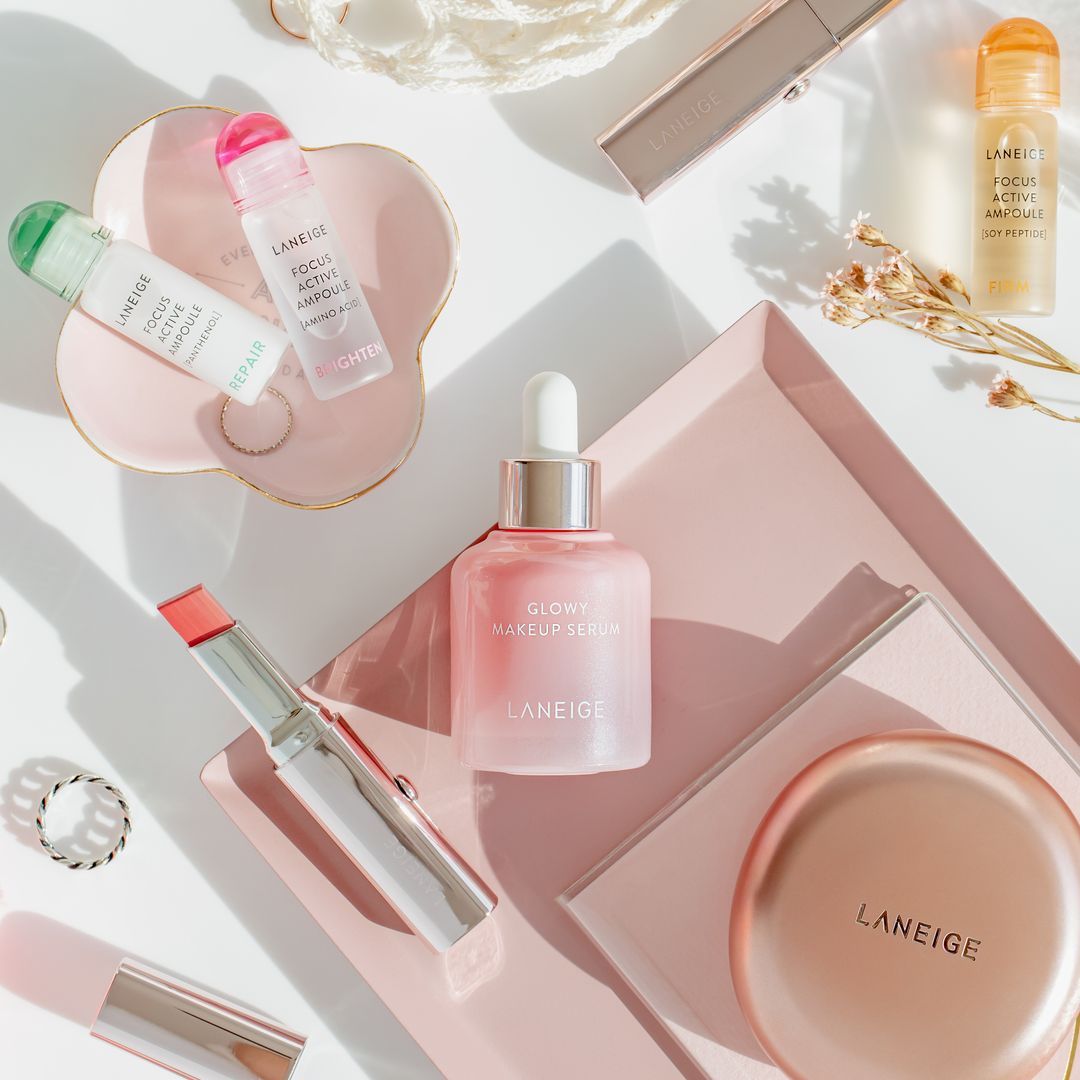
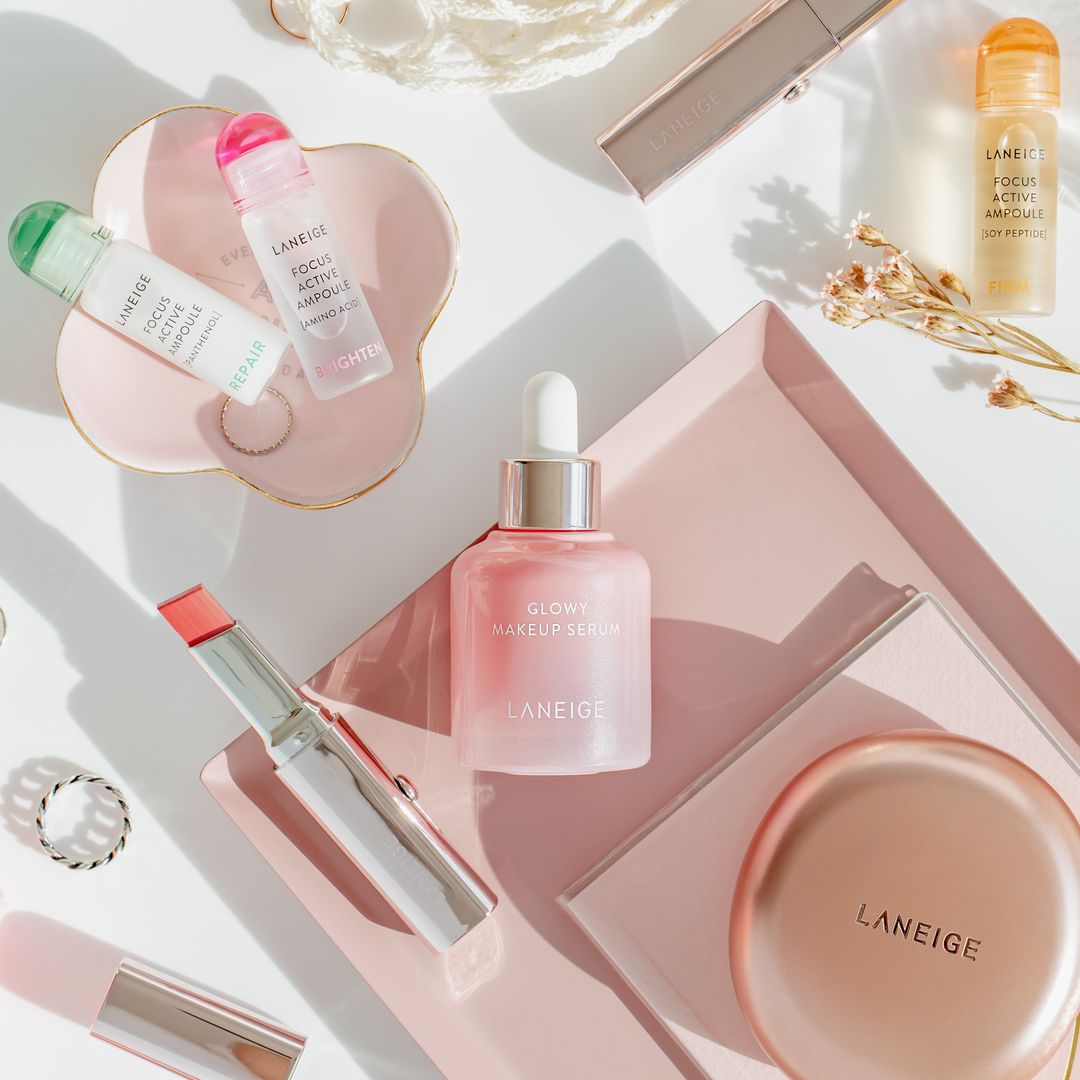
The emergence of trending Korean skincare brands 2026 signals a shift toward high-concentration, single-active formulations designed for targeted physiological outcomes. Consumers seeking to integrate these products into their regimens must prioritize evidence-based efficacy over aesthetic marketing claims to ensure long-term skin barrier integrity.
Evidence-Based Ingredient Selection
Modern cosmetic science in South Korea focuses heavily on functional ingredients categorized by the Ministry of Food and Drug Safety (MFDS). These actives, such as niacinamide for barrier support or adenosine for skin elasticity, undergo rigorous safety evaluations before being permitted in commercial formulations.
A comprehensive K-Beauty Guide assists in filtering these innovations through the lens of clinical necessity. By focusing on proven components, users can build a Skincare protocol that addresses specific dermal concerns without unnecessary complexity.
Label Literacy and Regulatory Compliance
Understanding the labeling standards set by the Korea Cosmetic Association is vital for identifying authentic, high-quality products. Manufacturers are required to list all Ingredients in descending order of concentration, providing a transparent map of what the skin will actually receive upon application.
International users should note that the term “functional cosmetic” in Korea implies a specific regulatory status. These products have been verified by the MFDS to provide a measurable improvement in skin function, such as whitening or wrinkle reduction.
Routine Placement and Compatibility
Incorporating new products requires a systematic approach to avoid over-exfoliation or chemical incompatibility. A standard morning routine should prioritize protective agents, while evening applications are better suited for intensive repair or treatment actives.
- pH Balance: Ensure that cleansing agents do not disrupt the acid mantle, which typically sits at a pH of 4.5 to 5.5.
- Layering Sequence: Apply products from the lowest viscosity (thinnest) to the highest viscosity (thickest) to ensure optimal penetration.
- Wait Times: Allow active ingredients at least 60 seconds to absorb before applying occlusives.
Safety and Irritation Mitigation
High-potency actives often carry a risk of contact dermatitis, particularly for those with compromised skin barriers. Patch testing on the inner forearm for 24 hours remains the gold standard for assessing individual tolerance before full facial application.
For those interested in professional-grade aesthetic treatments, Medical Tourism resources can provide information on clinical-strength procedures that complement home-care routines. Always consult a dermatologist if redness or persistent stinging occurs after introducing new topical agents.
| Ingredient Type | Primary Function | Clinical Consideration |
|---|---|---|
| Niacinamide | Barrier Repair | Effective at 2% to 5% concentrations. |
| Adenosine | Anti-Wrinkle | MFDS-approved at 0.04% concentration. |
| Centella Asiatica | Anti-Inflammatory | Rich in madecassoside for sensitivity. |
| Fermented Lysates | Microbiome Support | Requires stable delivery systems. |
Regulatory Oversight
The Ministry of Food and Drug Safety (MFDS) serves as the primary governing body for cosmetic safety in Korea. Their oversight ensures that ingredients are not only effective but also free from prohibited contaminants as of the article’s writing. When evaluating brands, prioritize those that maintain strict compliance with these regional safety standards, as they reflect the highest level of industry accountability.
자주 묻는 질문 (FAQ)
How do I identify genuine functional cosmetics from Korea?
Look for products that clearly state their active ingredient percentages and adhere to the guidelines set by the MFDS for functional cosmetics.
Why is patch testing necessary for new skincare products?
Patch testing helps identify potential allergic reactions or sensitivities to active ingredients before applying them to the entire face.
Can I use multiple active ingredients in one routine?
Yes, but caution is required to prevent irritation; layering should follow a sequence from thin to thick, with careful monitoring for skin reactions.
Where can I find official safety data on Korean skincare?
The Ministry of Food and Drug Safety (MFDS) official website provides current regulations and safety standards for all cosmetics manufactured in Korea.
Get in Touch
Have questions about your specific situation? Reach out anytime for a personal consultation.