
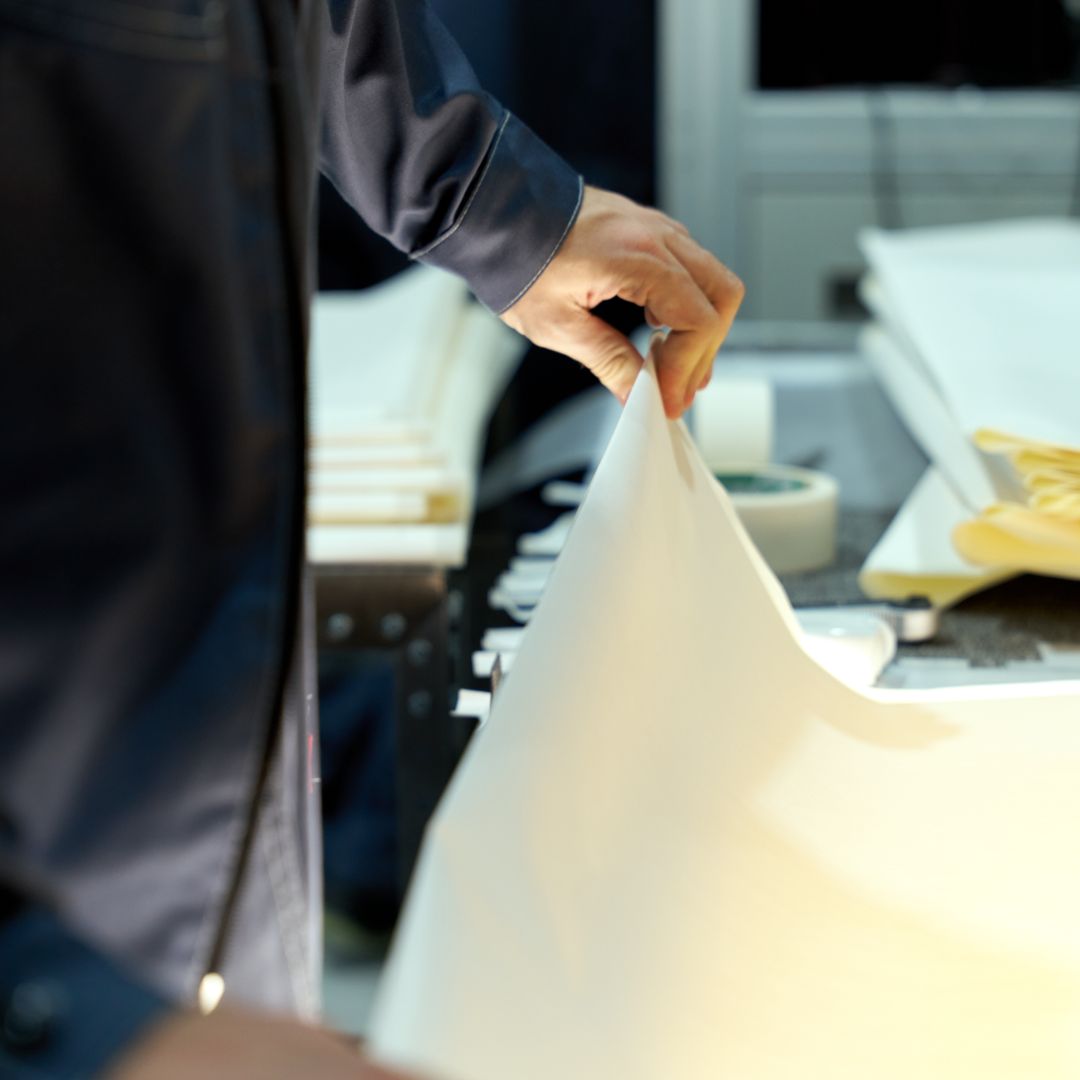

Understanding the origins of your daily Skincare routine requires looking beyond the brand name on the bottle. When a industry representative visits Kolmar, they are evaluating the complex infrastructure that governs the formulation of many global cosmetic products. This facility, a cornerstone of the Original Development Manufacturing (ODM) model, serves as a primary hub for research and development within the domestic industry.
Standards for Cosmetic Formulation and Safety
The rigor applied to cosmetic production in Korea is overseen by the Ministry of Food and Drug Safety (MFDS). Manufacturers operating at this scale must adhere to stringent Quality Management Systems (QMS) that ensure every batch maintains consistent chemical stability. When experts evaluate these production sites, they prioritize the validation of Ingredients to ensure they meet the safety thresholds mandated by the Korea Cosmetic Association (KCA).
The reliance on standardized testing allows for the safe scaling of complex formulations. Consumers observing these processes should note that high-volume production does not sacrifice safety; rather, it enforces a uniformity that smaller, unregulated labs cannot match.
Navigating Manufacturing Efficacy
The development of high-performance topicals requires a deep understanding of dermal absorption and barrier repair. Manufacturers utilize advanced emulsification technology to ensure that active compounds remain stable during storage. This technical precision is essential for products that promise specific functional benefits, such as brightening or wrinkle improvement.
- Stability Testing: Ensuring that active ingredients do not degrade when exposed to light or fluctuating temperatures.
- Microbiological Control: Maintaining sterile environments to prevent contamination in water-based formulations.
- Clinical Efficacy Trials: Validating that the concentration of functional ingredients is sufficient to produce a physiological change in the skin.
- Supply Chain Transparency: Tracking the raw materials from source to finished product to prevent the inclusion of impurities.
Routine Integration and Product Assessment
Selecting effective Products often involves verifying the reputation of the manufacturer as much as the brand itself. Many consumers turn to K-Beauty Reviews to gauge real-world results, but it is vital to balance these subjective reports with an understanding of how formulations are engineered. A well-constructed serum or moisturizer should possess a clear ingredient list and a logical order of application.
When you introduce a new item into your regimen, consider its compatibility with your existing products. Overlapping heavy actives or conflicting pH levels can lead to barrier disruption, even if the individual products are manufactured to high standards.
Assessing Manufacturing Risks and Considerations
Not all skin types respond favorably to the highly concentrated actives often found in modern skincare. Individuals with compromised barriers or specific sensitivities should approach new product categories with caution regardless of the manufacturing source.
| Factor | High-Quality Manufacturing Standard | Consumer Consideration |
|---|---|---|
| Testing Frequency | Rigorous batch-level stability checks | Check for batch numbers on packaging |
| Ingredient Sourcing | MFDS-compliant raw material suppliers | Verify active concentrations on the label |
| Facility Oversight | Regular external audits by gov bodies | Research the parent manufacturing firm |
| Product Safety | Stringent pH balance and preservative efficacy | Perform a patch test for new products |
Regulatory Oversight and Industry Guidance
The Korean government provides the primary framework for safety in the beauty industry. The MFDS enforces strict labeling requirements, ensuring that functional cosmetics—those intended for specific effects like anti-aging or UV protection—are registered and tested according to their stated claims. When assessing products, international readers should look for these regulatory markers as a baseline for quality assurance.
Consistent evaluation of these production standards ensures that the industry continues to advance without compromising consumer safety. Relying on documented evidence provided by recognized authorities like the Korea Cosmetic Association remains the most reliable method for navigating the evolving beauty landscape.
자주 묻는 질문 (FAQ)
What is an ODM manufacturer in the context of Korean beauty?
ODM stands for Original Development Manufacturing. These companies handle the research, development, and production of skincare products for various brands, ensuring compliance with MFDS standards.
Why is MFDS oversight important for international consumers?
The Ministry of Food and Drug Safety (MFDS) sets the regulatory safety standards for all cosmetics produced in Korea, providing a framework that ensures consistent quality and ingredient safety.
Should I prioritize the brand name or the manufacturer?
Both are important, but understanding the manufacturer helps ensure that the product was developed in a facility with rigorous stability testing and quality control protocols.
How can I verify if a product is safe for my skin?
Always check the full ingredient list for known allergens, look for official regulatory certifications, and perform a patch test on a small area of skin before full application.
Get in Touch
Have questions about your specific situation? Reach out anytime for a personal consultation.