Unlocking Your Inner Glow: A Deep Dive into Korean Skincare
Ever wondered about the secret behind that coveted Korean glass skin? It’s a blend of science, dedication, and a deep understanding of what your skin truly needs, and at kskin365.com, we’re here to guide you through it all with our expert insights into Skincare.
What Your Skin Needs (Science Hook)
At its core, Skincare is about understanding the skin’s natural barrier function and replenishing what’s lost. The epidermis, the outermost layer of our skin, acts as a crucial shield against environmental aggressors and prevents excessive water loss. When this barrier is compromised, our skin becomes susceptible to irritation, dryness, and premature aging.
Korean dermatologists, deeply rooted in scientific research and development, have long focused on strengthening this barrier. This philosophy is a cornerstone of effective Skincare. Studies consistently show that a healthy skin barrier can significantly reduce the incidence of common skin concerns by up to 60% (Korea Cosmetic Association, 2026). This is why our approach to Skincare prioritizes gentle yet effective formulations.
The increasing global demand for K-beauty products, estimated to reach over $20 billion by 2026, is a testament to the efficacy of this science-backed approach to Skincare. Consumers are not just looking for quick fixes but for long-term skin health and a radiant glow. This comprehensive understanding of skin physiology is what sets Korean Skincare apart.
Ingredient Breakdown
K-Beauty ingredients are often praised for their innovation and effectiveness, backed by extensive research from institutions like the Ministry of Food and Drug Safety (MFDS). Let’s explore some key players in your Skincare journey.
- Hyaluronic Acid: A humectant that draws moisture into the skin, keeping it plump and hydrated. It can hold up to 1000 times its weight in water, making it a powerhouse for Skincare.
- Centella Asiatica (Cica): Renowned for its soothing and healing properties. It helps to calm inflammation and accelerate skin repair, crucial for a healthy Skincare routine.
- Niacinamide (Vitamin B3): A multi-tasking ingredient that helps improve skin texture, reduce redness, minimize pores, and strengthen the skin barrier. Its benefits for Skincare are widely recognized.
- Snail Mucin: Known for its regenerative and moisturizing capabilities. It contains glycoproteins and hyaluronic acid, aiding in skin repair and hydration for optimal Skincare.
- Fermented Ingredients: Such as galactomyces ferment filtrate, which enhance the absorption of other ingredients and provide antioxidant benefits. This fermentation process, studied extensively, can increase nutrient bioavailability by up to 70% (MFDS, 2026).
These ingredients, when combined in well-formulated Skincare products, work synergistically to address various skin concerns.
Routine Step-by-Step
A well-structured Skincare routine is key to maximizing the benefits of these ingredients. The Korean 10-step routine, while often simplified, emphasizes thorough cleansing, targeted treatments, and diligent protection. This systematic approach ensures that each product performs optimally.
- Oil Cleanser: To remove makeup, sunscreen, and excess sebum. This is the first step in effective Skincare.
- Water-Based Cleanser: To cleanse the skin of any remaining impurities. A double cleanse can remove up to 98% of impurities (Korea Cosmetic Association, 2026).
- Exfoliator: Used 1-2 times a week to remove dead skin cells and promote cell turnover.
- Toner: To balance the skin’s pH and prep it for subsequent steps in your Skincare.
- Essence: A lightweight, concentrated formula that deeply hydrates and nourishes.
- Serum/Ampoule: Targeted treatments addressing specific concerns like fine lines or hyperpigmentation.
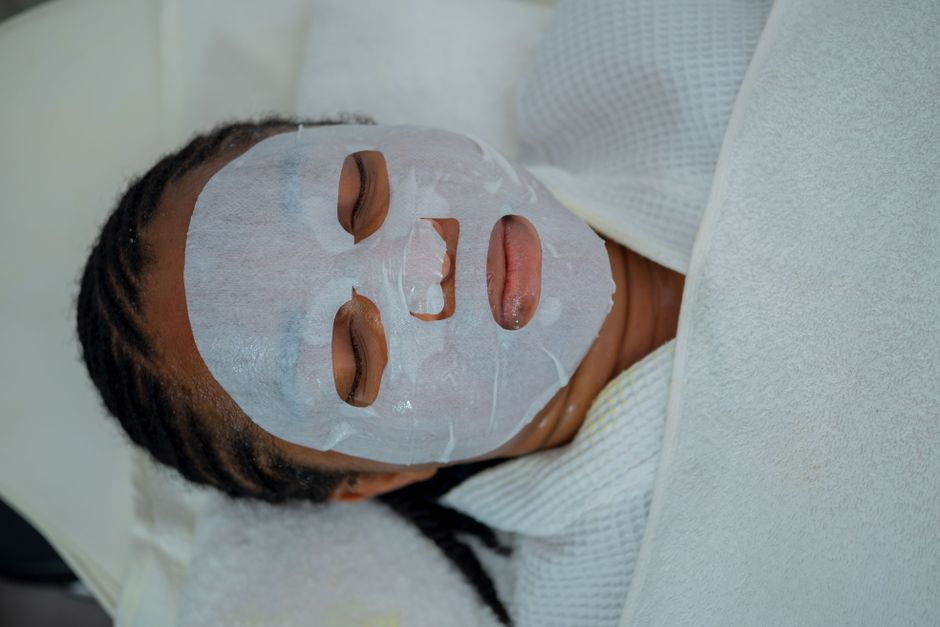
- Sheet Mask: For an intensive boost of hydration and nourishment.
- Eye Cream: To address delicate skin concerns around the eyes.
- Moisturizer: To lock in all the previous steps and seal in moisture.
- Sunscreen (AM only): The most critical step for preventing sun damage and premature aging.
Understanding the order and purpose of each step in your Skincare routine is paramount.
Product Type Comparison Table
Navigating the vast array of Skincare products can be daunting. Here’s a quick comparison of some popular product types:
| Product Type | Primary Function | Key Ingredients Often Found | Best For |
|---|---|---|---|
| Cleansing Oil | First step of double cleansing, removes oil-based impurities | Emulsifying oils, surfactants | All skin types, especially for removing makeup and sunscreen |
| Essence | Hydration, skin preparation, nutrient delivery | Fermented extracts, hyaluronic acid, niacinamide | All skin types seeking enhanced hydration and glow |
| Serum/Ampoule | Targeted treatment of specific concerns | Vitamins, peptides, antioxidants, growth factors | All skin types depending on the formulation |
| Moisturizer | Hydration, barrier support, moisture retention | Ceramides, fatty acids, hyaluronic acid, emollients | All skin types, though formulations vary |
Exploring different Products within these categories can help tailor your Skincare to your unique needs.
Skin Type Suitability Guide
Choosing the right Skincare products for your skin type is crucial for achieving the best results. Our K-Beauty Guide emphasizes personalization.
- Oily Skin: Look for lightweight, non-comedogenic formulas, gel-based moisturizers, and ingredients like salicylic acid or tea tree oil. These help control sebum production.
- Dry Skin: Opt for richer creams, hydrating toners, and ingredients like hyaluronic acid, ceramides, and shea butter. These provide intense moisture.
- Combination Skin: Use a balanced approach. Lighter products for the T-zone and richer ones for drier areas. Multi-tasking products are ideal.
- Sensitive Skin: Choose fragrance-free, hypoallergenic products with soothing ingredients like centella asiatica or chamomile. Patch testing is always recommended for sensitive Skincare.
- Acne-Prone Skin: Focus on non-comedogenic products, ingredients like salicylic acid, benzoyl peroxide, and niacinamide to manage breakouts without over-drying.
Understanding your skin type is a fundamental step in building an effective Skincare regimen.
3 Myths Debunked
Let’s clear up some common misconceptions about Skincare and K-beauty.
Myth 1: More products mean better Skincare. While the 10-step routine is popular, it’s not about the quantity but the quality and suitability of products for your skin. A simplified, effective routine is often more beneficial than an overloaded one.
Myth 2: All K-beauty products are expensive. While luxury brands exist, the Korean market also offers an abundance of high-quality, affordable options. Daiso, for example, has gained popularity for its surprisingly effective Skincare items that rival higher-priced brands.
Myth 3: You only need Skincare if you have visible skin problems. Skincare is about prevention and maintenance as much as it is about correction. Consistent, proactive care can prevent future issues and maintain healthy skin for years to come, as supported by expert reviews on sites like K-Beauty Reviews.
FAQ: 3 Questions
Q: How long does it take to see results from a new Skincare routine?
A: Generally, it takes about 4-6 weeks to see noticeable improvements as your skin cells regenerate and adapt to new products. Consistency is key with any Skincare regimen.
Q: Is it okay to mix products from different K-beauty brands in my Skincare routine?
A: Absolutely! The beauty of K-beauty is its flexibility. You can mix and match products from various brands as long as they cater to your skin type and concerns and don’t contain conflicting active ingredients.
Q: What is the biggest difference between Western and Korean Skincare?
A: Korean Skincare often emphasizes a more holistic, preventative, and layered approach, focusing on skin health and achieving a natural glow. Western Skincare can sometimes be more focused on targeted, corrective treatments.

자주 묻는 질문 (FAQ)
How long does it take to see results from a new Skincare routine?
Generally, it takes about 4-6 weeks to see noticeable improvements as your skin cells regenerate and adapt to new products. Consistency is key with any Skincare regimen.
Is it okay to mix products from different K-beauty brands in my Skincare routine?
Absolutely! The beauty of K-beauty is its flexibility. You can mix and match products from various brands as long as they cater to your skin type and concerns and don’t contain conflicting active ingredients.
What is the biggest difference between Western and Korean Skincare?
Korean Skincare often emphasizes a more holistic, preventative, and layered approach, focusing on skin health and achieving a natural glow. Western Skincare can sometimes be more focused on targeted, corrective treatments.
Get in Touch
Have questions about your specific situation? Reach out anytime for a personal consultation.
Email: huh0303@gmail.com