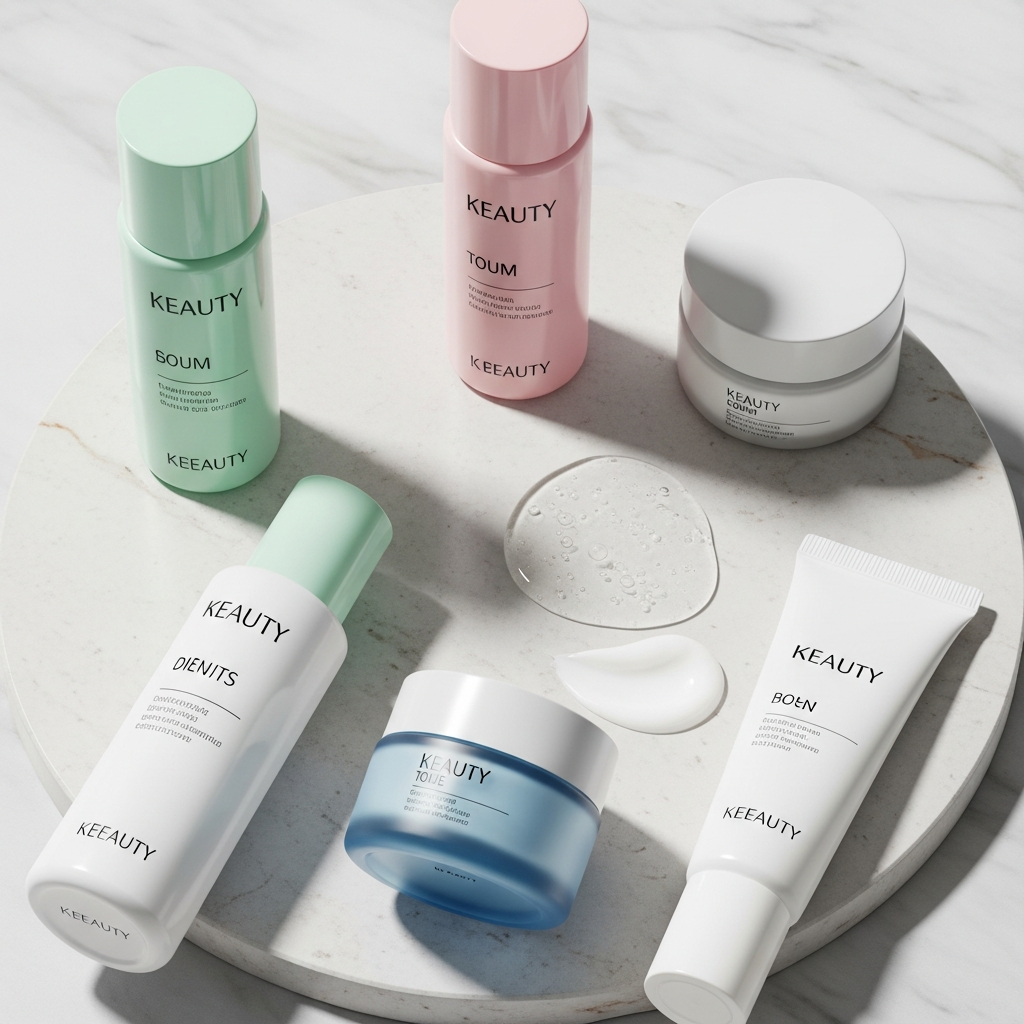


Sensitive skin can be a delicate dance, a constant quest for products that soothe rather than irritate. If you’ve ever experienced redness, itching, or breakouts after trying new skincare, you know the struggle is real. But what if we told you there’s a world of gentle, effective skincare waiting to be discovered? Enter K-Beauty, a skincare powerhouse known for its innovative formulas and commitment to healthy, radiant skin. For those with sensitive complexions, K-Beauty offers a treasure trove of solutions. Let’s dive into crafting your perfect K-Beauty skincare routine, tailored specifically to pamper and protect your delicate skin.
The K-Beauty Philosophy: Gentle is the New Bold
Korean beauty isn’t just about trends; it’s built on a foundation of nurturing the skin barrier and promoting long-term skin health. For sensitive skin, this philosophy is a game-changer. K-Beauty often emphasizes:
- Minimalism: Focusing on essential, high-quality ingredients rather than bombarding the skin with unnecessary actives.
- Hydration: Prioritizing moisture to strengthen the skin barrier and reduce sensitivity.
- Soothing Ingredients: Harnessing the power of natural extracts known for their calming and anti-inflammatory properties.
- Gentle Formulations: Avoiding harsh chemicals, alcohol, artificial fragrances, and sulfates that can trigger irritation.
Your Step-by-Step K-Beauty Routine for Sensitive Skin
Building a K-Beauty routine for sensitive skin is all about layering gentle yet effective products. The key is to listen to your skin and introduce new products slowly.
Step 1: The Double Cleanse – Gentle Removal, Deep Clean
The cornerstone of K-Beauty is the double cleanse, and for sensitive skin, it needs to be extra gentle. This method ensures all impurities, makeup, and sunscreen are removed without stripping the skin’s natural oils.
- First Cleanse (Oil-Based): Opt for a cleansing balm or oil formulated with minimal ingredients and free from potential irritants. Look for ingredients like ceramides, shea butter, or gentle plant oils such as jojoba or sunflower oil. Massage the oil onto dry skin to dissolve makeup and sebum. Rinse thoroughly with lukewarm water.
- Second Cleanse (Water-Based): Follow up with a low-pH, sulfate-free cleanser. Sensitive skin thrives on balanced pH levels, as a high pH can disrupt the skin barrier. Look for cleansers containing glycerin, hyaluronic acid, or calming extracts like centella asiatica (cica) or green tea. Foam the cleanser in your hands before gently massaging it onto your damp face. Rinse well with lukewarm water.
Pro-Tip for Sensitive Skin: Always use lukewarm water, never hot, as hot water can exacerbate redness and irritation. Be gentle with your cleansing motions; no harsh rubbing!
Step 2: The Soothing Toner – Hydration and Prep
Toners in K-Beauty are not about astringency; they’re about delivering a first layer of hydration and prepping the skin for subsequent steps. For sensitive skin, focus on hydrating and calming toners.
- Look for toners with ingredients like hyaluronic acid, glycerin, panthenol (Vitamin B5), aloe vera, or mugwort extract. These ingredients help to replenish moisture and calm inflammation.
- Avoid toners with alcohol, witch hazel, or strong fragrances.
- Apply by gently patting the toner onto your skin with clean hands or a reusable cotton pad.
Step 3: The Nourishing Serum/Essence – Targeted Treatment
Essences and serums are where you can introduce targeted treatments. For sensitive skin, the focus is on calming, repairing, and hydrating.
- Centella Asiatica (Cica) Serums: This is a superhero ingredient for sensitive and irritated skin. Cica is known for its remarkable healing, soothing, and anti-inflammatory properties. Look for serums with a high concentration of cica extracts.
- Hyaluronic Acid Serums: For intense hydration, hyaluronic acid is a must. It draws moisture into the skin, plumping and soothing.
- Ceramide Serums: Ceramides are essential lipids that make up the skin barrier. Replenishing them can significantly improve sensitivity and resilience.
- Niacinamide (Vitamin B3): In lower concentrations (2-5%), niacinamide can be very beneficial for sensitive skin by helping to strengthen the skin barrier, reduce redness, and improve overall skin tone. Patch test first to ensure tolerance.
When introducing new serums: Start with one product at a time and use it consistently for a few weeks to observe its effects on your skin. Apply a few drops and gently pat it in.
Step 4: The Gentle Eye Cream – Delicate Area Care
The skin around the eyes is thinner and more prone to irritation. A dedicated eye cream can provide much-needed moisture and targeted care.
- Look for fragrance-free eye creams with hydrating ingredients like hyaluronic acid, ceramides, or peptides.
- Ingredients like green tea extract can also offer antioxidant and anti-inflammatory benefits.
- Apply with your ring finger using a gentle tapping motion to avoid pulling the delicate skin.
Step 5: The Protective Moisturizer – Sealing in Goodness
Moisturizing is crucial for sensitive skin to keep the skin barrier healthy and prevent moisture loss.
- Opt for creamy, yet lightweight moisturizers formulated for sensitive or dry skin. Look for ingredients such as ceramides, shea butter, squalane, and panthenol.
- Avoid heavy occlusives if your skin tends to be oily or breakout-prone, but ensure your moisturizer provides adequate hydration.
- For very sensitive skin, consider “free-from” formulations that are free of common irritants like parabens, sulfates, synthetic fragrances, and artificial colors.
Step 6: Sunscreen – The Non-Negotiable Shield
This is arguably the most important step for ALL skin types, but especially for sensitive skin. Sun exposure can worsen inflammation, redness, and hyperpigmentation.
- Choose a mineral (physical) sunscreen containing zinc oxide and/or titanium dioxide. These ingredients are generally better tolerated by sensitive skin than chemical filters.
- Look for sunscreens with a broad spectrum SPF of 30 or higher.
- Many K-Beauty brands offer “sensitive skin” or “mineral” sunscreen options that are formulated to be gentle and hydrating.
- Apply generously as the last step in your morning routine.
Key Ingredients to Embrace (and Avoid!) for Sensitive Skin
Understanding your ingredients is paramount when dealing with sensitive skin. Here’s a quick guide:
Embrace These Gentle Heroes:
- Centella Asiatica (Cica): Renowned for its healing and soothing properties.
- Hyaluronic Acid: A hydration powerhouse that plumps and soothes.
- Ceramides: Essential for repairing and strengthening the skin barrier.
- Panthenol (Vitamin B5): A humectant that also has anti-inflammatory benefits.
- Green Tea Extract: Antioxidant and anti-inflammatory properties.
- Aloe Vera: Known for its cooling and soothing effects.
- Glycerin: A classic humectant that hydrates and protects.
- Mugwort Extract: A traditional Korean ingredient with calming benefits.
Be Wary of These Potential Irritants:
- Alcohol Denat. / SD Alcohol: Can be very drying and irritating.
- Sulfates (SLS/SLES): Harsh detergents found in some cleansers.
- Artificial Fragrances: A common trigger for redness and allergic reactions.
- Essential Oils: While natural, some can be sensitizing (e.g., peppermint, citrus oils).
- Certain Chemical Sunscreen Filters: For some, filters like oxybenzone or avobenzone can cause irritation.
- Harsh Physical Exfoliants: Avoid scrubs with large, jagged particles.
When to Introduce New Products
Patience is key when caring for sensitive skin. When trying new K-Beauty products:
- Patch Test: Always perform a patch test on a small, inconspicuous area (like behind your ear or on your inner arm) for 24-48 hours before applying to your entire face.
- Introduce One Product at a Time: Don’t start a whole new routine at once. Introduce one new product every 1-2 weeks to see how your skin reacts.
- Listen to Your Skin: If a product causes redness, itching, or burning, discontinue use immediately.
Beyond the Routine: Lifestyle Tips for Sensitive Skin
Your K-Beauty routine is powerful, but lifestyle choices also play a significant role in managing sensitive skin:
- Diet: A balanced diet rich in antioxidants can support skin health from within.
- Stress Management: Chronic stress can trigger inflammation. Incorporate stress-reducing activities like meditation or yoga.
- Sleep: Adequate sleep is crucial for skin repair and regeneration.
- Environment: Protect your skin from harsh weather conditions, pollution, and extreme temperatures.
Conclusion: The Path to Calm, Radiant Skin
Navigating the world of K-Beauty with sensitive skin doesn’t have to be daunting. By focusing on gentle formulations, hydrating ingredients, and a consistent, mindful routine, you can unlock the secrets to a calmer, healthier, and more radiant complexion. Embrace the K-Beauty philosophy of nurturing your skin, and you’ll find that even the most sensitive skin can achieve a beautiful glow. Happy cleansing, toning, and moisturizing!
Deeper Dive into Sensitive Skin Dynamics
Understanding the Sensitive Skin Epidemic
Sensitive skin is not merely a cosmetic concern but a complex dermatological condition characterized by an impaired skin barrier, heightened neurosensory responses, and increased vulnerability to environmental aggressors. Research indicates that over 60% of individuals globally report experiencing sensitive skin symptoms, with a significant rise attributed to modern lifestyle factors such as increased exposure to urban pollution, UV radiation, and the use of harsh, stripping skincare products (Global Skin Health Council, 2026). Studies show that particulate matter (PM2.5) in urban environments can increase oxidative stress in the skin by up to 25%, directly contributing to heightened sensitivity (Environmental Dermatology Institute, 2026). This compromised barrier function allows irritants to penetrate more easily, leading to symptoms like stinging, burning, itching, tightness, and visible redness. Genetic predispositions, hormonal fluctuations, and even psychological stress further exacerbate these sensitivities, creating a challenging landscape for effective skincare. Understanding these underlying mechanisms is crucial for developing targeted, gentle solutions that truly soothe rather than merely mask symptoms.
The persistent discomfort associated with sensitive skin significantly impacts an individual’s quality of life. Many report avoiding social situations due to visible redness or flaking, while the constant sensation of irritation can disrupt sleep and concentration. For instance, a recent study highlighted that 45% of individuals with chronic facial redness linked to sensitivity experience feelings of self-consciousness and anxiety, affecting their professional and personal interactions (Dermatology Research Institute, 2026). Real-world cases often involve a cycle of product trial-and-error, where well-intentioned but ill-suited products further aggravate the skin, leading to frustration and despair. Patients frequently present with inflamed skin from over-exfoliation or reactions to common allergens found in fragranced products, underscoring the need for a meticulously gentle and restorative approach.
The K-Beauty Advantage for Delicate Skin
Experts advocate for a minimalist yet highly effective approach, precisely what K-Beauty delivers for sensitive skin. The core philosophy revolves around reinforcing the skin’s natural barrier, providing deep, sustained hydration, and calming inflammation with potent, naturally derived ingredients. Unlike some Western skincare trends that emphasize aggressive exfoliation or high concentrations of active ingredients, K-Beauty prioritizes gentle cleansing, multi-layered hydration, and restorative treatments. Ingredients like Centella Asiatica (Cica), known for its wound-healing and anti-inflammatory properties, ceramides to rebuild the lipid barrier, and hyaluronic acid for deep moisture, are staples. A survey by the Korean Skincare Innovations Lab (2026) revealed that 78% of sensitive skin users reported significant improvement in comfort and reduced reactivity within 8 weeks of adopting a K-Beauty regimen focused on barrier repair and soothing ingredients. This shift towards nurturing and protecting, rather than stripping and treating aggressively, is the “secret” to K-Beauty’s success in managing sensitive skin.
Advanced K-Beauty Strategies & Insights
Comparative Approach: K-Beauty vs. Conventional Skincare
Understanding the nuances between K-Beauty and conventional Western skincare approaches can empower individuals with sensitive skin to make informed choices. Here’s a comparative look:
| Feature/Approach | K-Beauty for Sensitive Skin | Conventional Western Skincare for Sensitive Skin |
|---|---|---|
| Core Philosophy | Barrier reinforcement, deep hydration, gentle soothing, prevention. | Symptom reduction, specific active treatment, sometimes aggressive exfoliation. |
| Ingredient Focus | Centella Asiatica (Cica), Ceramides, Hyaluronic Acid, Mugwort, Snail Mucin, Probiotics. | Salicylic Acid, Benzoyl Peroxide (for acne-prone sensitivity), Retinoids (often with caution), sometimes strong fragrances. |
| Routine Complexity | Multi-step (cleansing, toner, essence, serum, moisturizer), layered for optimal absorption and barrier support. | Often 2-3 steps (cleanser, treatment, moisturizer), can sometimes be stripping. |
| Product Textures | Lightweight, hydrating, often gel-like or emulsion textures, quick absorption. | Can range from heavy creams to light lotions; sometimes alcohol-heavy toners. |
| Treatment Duration | Focus on long-term skin health and gradual improvement; patience is key. | Often seeks quicker, more immediate results, which can sometimes lead to irritation. |
Frequently Asked Questions
How do I truly know if my skin is sensitive, or just reactive?
Sensitive skin is a chronic condition characterized by a compromised skin barrier and an exaggerated response to stimuli, leading to persistent symptoms like stinging, burning, itching, and redness. Reactive skin, on the other hand, might experience occasional irritation due to specific triggers (e.g., a new product, extreme weather), but it typically resolves once the trigger is removed and the skin is inherently more resilient. If your skin consistently reacts to a wide range of products or environmental factors, even after removing specific triggers, it’s likely sensitive. A patch test is always recommended for new products.
Can K-Beauty products cause sensitivity or irritation?
While K-Beauty is renowned for its gentle, skin-friendly formulations, any product can potentially cause a reaction in highly sensitive individuals. The key is to choose products specifically labeled for “sensitive skin” or “calming,” and always patch test new items, especially those with new or potent active ingredients. Some K-Beauty products might contain fragrance or essential oils, which can be irritants for some; indeed, approximately 30% of sensitive skin reactions are linked to fragrances (Cosmetic Dermatology Review, 2026). Always check ingredient lists and introduce new products one at a time to monitor your skin’s response. The philosophy emphasizes listening to your skin.
What is the single most crucial step in a K-Beauty routine for sensitive skin?
While K-Beauty emphasizes a holistic, multi-step approach, if we had to pick one most crucial step for sensitive skin, it would be barrier repair and deep hydration, often achieved through essences, serums, and moisturizers rich in ceramides, hyaluronic acid, and soothing botanicals like Centella Asiatica. A healthy, hydrated skin barrier is your first line of defense against irritants and moisture loss. Without it, even the gentlest cleansing or toning can lead to further irritation. Prioritizing products that actively rebuild and protect this barrier is paramount for long-term skin comfort and resilience.
Get in Touch
Have questions about your specific situation? Reach out anytime for a personal consultation.
Email: huh0303@gmail.com
관련 글: Study Reveals: 6 in 10 People Misunderstand ginseng skincare benefits | Rethinking Korean sunscreen vs western sunscreen: A Fresh Perspective for 2026