
For centuries, women across Asia, particularly in Korea, have harnessed the simple yet powerful properties of rice water in their beauty rituals. This humble byproduct of rice preparation is far more than just discarded liquid; it’s a potent elixir packed with vitamins, minerals, and amino acids. If you’re looking to elevate your skincare routine with natural, time-tested ingredients, understanding the full spectrum of rice water skincare benefits is a game-changer. From brightening dull skin to soothing irritation, this K-Beauty staple offers a holistic approach to achieving that coveted glass skin glow.
Ready to dive deep into why this fermented marvel is a must-have? Let’s explore the science, history, and practical ways to incorporate rice water into your daily regimen.
Table of Contents
- The Ancient Secret: Unveiling Rice Water Skincare Benefits
- Historical Roots and Modern Revival of Rice Water in K-Beauty
- Scientific Backing: Key Compounds and Their Effects
- Top 7 Rice Water Skincare Benefits for Your Complexion
- Integrating Rice Water into Your K-Beauty Routine
- DIY vs. K-Beauty Products: What’s Best for You?
- Potential Side Effects and Who Should Be Cautious
- FAQ Section
- Conclusion
The Ancient Secret: Unveiling Rice Water Skincare Benefits
A Timeless Beauty Elixir
In the bustling world of K-Beauty, where innovation meets tradition, rice water skincare benefits stand out as a testament to the enduring power of natural ingredients. Passed down through generations, this milky liquid has been a cornerstone of Asian beauty routines, celebrated for its ability to transform complexions. It’s not just anecdotal; scientific research is increasingly validating what ancient traditions have known for centuries.
Beyond the Grain: What Makes It Special?
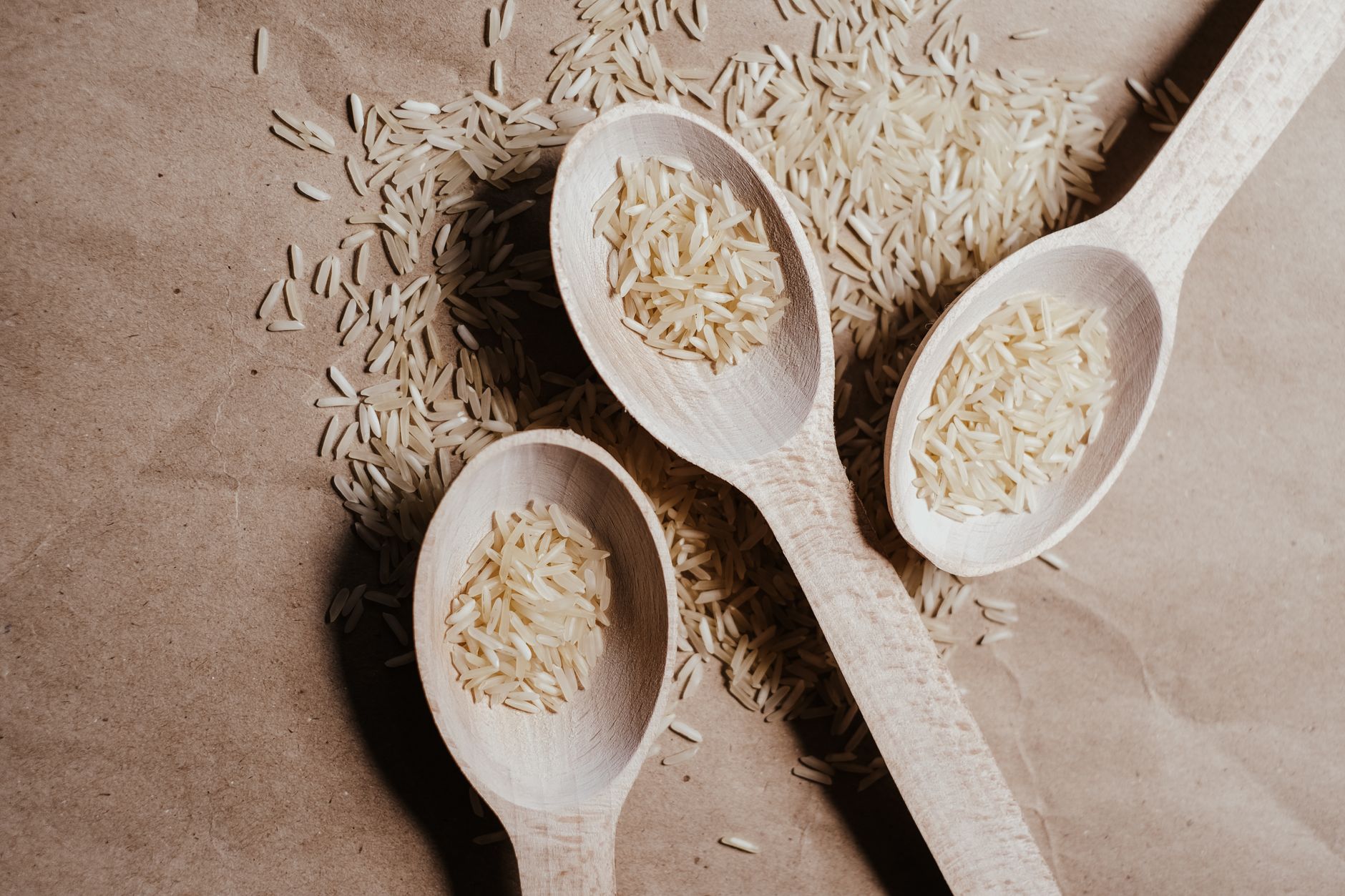
Rice water is the starchy water left over after soaking or boiling rice. Rich in antioxidants, amino acids, minerals, and vitamins (B, C, E), it provides a nourishing cocktail for your skin. Its natural composition makes it suitable for various skin types, addressing concerns from dullness to premature aging. The simplicity of its origin belies the complexity of its benefits, making it an accessible yet powerful addition to any skincare arsenal.
Historical Roots and Modern Revival of Rice Water in K-Beauty
From Imperial Courts to Modern Spas
The use of rice water in beauty dates back to ancient China, Japan, and Korea. Legends tell of imperial princesses and geishas using rice water to wash their faces and hair, attributing their porcelain skin and lustrous locks to its regular application. In ancient Korea, it was a staple in the best Korean cleansers and toners. This tradition has never truly faded, evolving to become a beloved ingredient in contemporary K-Beauty. A 2023 report by Statista highlighted the global K-Beauty market’s significant growth, with natural ingredients like rice water playing a crucial role in its appeal to conscious consumers. Source: Statista (2023)
K-Beauty’s Embrace of Nature
K-Beauty brands are renowned for their innovative formulations, often blending cutting-edge science with traditional ingredients. The revival of rice water is a perfect example of this synergy. Brands are now formulating sophisticated products, from serums to Korean sheet masks benefits, that leverage fermented rice water for enhanced efficacy, making it easier than ever to enjoy its advantages without the DIY hassle.
Scientific Backing: Key Compounds and Their Effects
The Powerhouse Ingredients Within
What exactly makes rice water so effective? It’s a blend of several beneficial compounds:
- Inositol: A carbohydrate that helps repair damaged cells and stimulate cell growth.
- Ferulic Acid: A potent antioxidant that protects skin from environmental damage and enhances the stability of other antioxidants. Source: PubMed (2016)
- Allantoin: Known for its soothing and anti-inflammatory properties, ideal for sensitive skin.
- Amino Acids: Essential building blocks for healthy skin, promoting hydration and collagen production.
- Vitamins B, C, E: A trio of vitamins that contribute to overall skin health, brightness, and protection.
Fermentation: Boosting Efficacy
Many K-Beauty products utilize fermented rice water. The fermentation process breaks down molecules into smaller, more easily absorbed particles, increasing the concentration of antioxidants and beneficial acids. This makes the nutrients more bioavailable, enhancing the overall rice water skincare benefits.
Top 7 Rice Water Skincare Benefits for Your Complexion
Here are the seven incredible ways rice water can transform your skin:
- Brightens Skin Tone: Rice water is known for its ability to gently lighten hyperpigmentation and dark spots, promoting a more even and radiant complexion. Studies, including one in the International Journal of Cosmetic Science in 2012, have noted its potential in skin brightening.
- Soothes Irritation and Redness: Thanks to compounds like allantoin, rice water has excellent anti-inflammatory properties, making it ideal for calming sensitive or irritated skin.
- Minimizes Pores: Acting as a natural astringent, rice water can help tighten and minimize the appearance of pores, leading to smoother skin texture.
- Anti-Aging Properties: The presence of antioxidants like ferulic acid helps combat free radical damage, reducing the appearance of fine lines and wrinkles. It promotes collagen production, contributing to firmer, more youthful skin.
- Boosts Hydration: Amino acids and starches in rice water form a protective barrier on the skin, helping to retain moisture and prevent dehydration, especially when followed by a good Korean moisturizer for dry skin.
- Improves Skin Barrier Function: Regular use can strengthen the skin’s natural barrier, making it more resilient against environmental aggressors and reducing moisture loss. Research in the Journal of Cosmetic Chemists in 2010 suggested rice bran extract could protect against UV damage and improve skin barrier.
- Controls Excess Oil: While hydrating, it also helps balance sebum production, making it beneficial for oily and combination skin types without stripping essential moisture.
Integrating Rice Water into Your K-Beauty Routine
DIY Rice Water: Simple Steps
Making your own rice water is straightforward:
- Rinse: Take ½ cup of organic rice (white or brown) and rinse it thoroughly to remove impurities.
- Soak: Place the rinsed rice in a bowl with 2-3 cups of distilled water. Let it soak for 30 minutes to an hour, or until the water becomes cloudy.
- Strain: Strain the rice, collecting the milky water in a clean jar or spray bottle.
- Ferment (Optional): For fermented rice water, let the strained water sit at room temperature for 12-24 hours until it develops a slightly sour smell. This enhances its potency. Refrigerate afterward.
Application Methods
- Toner: After cleansing, apply rice water with a cotton pad or spray directly onto your face. Follow with your favorite hyaluronic acid toner Korea or serum.
- Face Mask: Soak a compressed sheet mask or cotton pads in rice water and apply to your face for 10-15 minutes.
- Facial Rinse: Use it as the final rinse after washing your face.
DIY vs. K-Beauty Products: What’s Best for You?
The Pros and Cons
Choosing between homemade rice water and commercially available K-Beauty products depends on your preferences and lifestyle.
| Feature | DIY Rice Water | K-Beauty Rice Water Products |
|---|---|---|
| Cost | Very Low (just rice & water) | Moderate to High |
| Convenience | Requires preparation time, shorter shelf life | Ready-to-use, longer shelf life |
| Potency/Consistency | Variable, depends on rice type and preparation | Standardized, often fermented for enhanced efficacy |
| Ingredients | Pure rice water | Blended with other beneficial ingredients (e.g., niacinamide, ceramides) |
| Hygiene | Risk of bacterial growth if not stored properly | Formulated with preservatives for safety |
When to Choose K-Beauty Products
If you prefer guaranteed potency, longer shelf life, and formulations that combine rice water with other powerful ingredients (like in propolis skincare Korea or specific Korean eye cream recommendations), commercial products are an excellent choice. Many reputable K-Beauty brands offer high-quality rice water lines, often featuring fermented versions for maximum benefit.
Potential Side Effects and Who Should Be Cautious
Generally Safe, But Patch Test First
Rice water is generally considered safe for most skin types, including sensitive skin. However, as with any new ingredient, a patch test is always recommended. Apply a small amount to an inconspicuous area (like behind your ear or on your inner arm) and wait 24 hours for any reaction.
Who Should Be Cautious?
- Extremely Sensitive Skin: While rare, some individuals might experience mild irritation, especially with fermented rice water due to its slightly acidic pH.
- Fungal Acne Prone Skin: The starch content could potentially exacerbate fungal acne for some, though this is not a common issue.
- Improperly Stored DIY Rice Water: Homemade rice water can harbor bacteria if not prepared hygienically or stored correctly. Always use clean containers and keep it refrigerated, discarding after 5-7 days.
FAQ Section
Q: How often should I use rice water on my face?
A: You can use rice water daily, typically once or twice a day as part of your toning step. Start with a few times a week to see how your skin reacts, then gradually increase frequency.
Q: Is fermented rice water better than plain rice water?
A: Many experts believe fermented rice water is more potent. The fermentation process increases antioxidant levels and breaks down nutrients into smaller, more absorbable forms, enhancing its benefits.
Q: Can rice water help with acne?
A: While not a direct acne treatment, its anti-inflammatory properties can help soothe irritated skin and reduce redness associated with breakouts. Its ability to control oil and minimize pores might also indirectly benefit acne-prone skin.
Q: What type of rice is best for making rice water?
A: Any type of organic rice (white, brown, jasmine, basmati) can be used. Organic rice is preferred to avoid pesticides. White rice is most commonly used due to its starch content.
Q: How long does homemade rice water last?
A: Plain rice water lasts about 3-5 days in the refrigerator. Fermented rice water can last up to 5-7 days when stored correctly in the fridge.
Q: Can I leave rice water on my face overnight?
A: Yes, you can. Many people use rice water as a leave-on toner or serum. However, if you have very sensitive skin, you might prefer to rinse it off after 15-20 minutes initially.
Q: Are there any specific K-Beauty products with rice water you recommend?
A: Absolutely! Brands like I’m From, Haruharu Wonder, and COSRX offer popular lines featuring rice water. Look for toners, serums, and creams that highlight “fermented rice water” or “rice extract” in their ingredient lists.

Conclusion
The journey through the world of rice water skincare benefits reveals a timeless secret, deeply rooted in tradition yet perfectly suited for modern K-Beauty. From its powerful brightening and anti-aging properties to its ability to soothe and hydrate, rice water offers a multifaceted approach to achieving healthy, glowing skin. Whether you opt for a simple DIY preparation or embrace the sophisticated formulations of K-Beauty brands, incorporating this natural elixir into your routine can unlock truly remarkable results. Experience the transformative power of rice water and give your skin the radiant, youthful glow it deserves. Ready to try this ancient beauty secret? Discover your perfect rice water product today!
Disclaimer: This article provides general information and is not a substitute for professional medical advice. Always consult with a dermatologist or healthcare professional for personalized skincare advice.
best Korean cleansers
Korean serum for acne
Get in Touch
Have questions about your specific situation? Reach out anytime for a personal consultation.
Email: huh0303@gmail.com
관련 글: Study Reveals: 6 in 10 People Misunderstand ginseng skincare benefits