
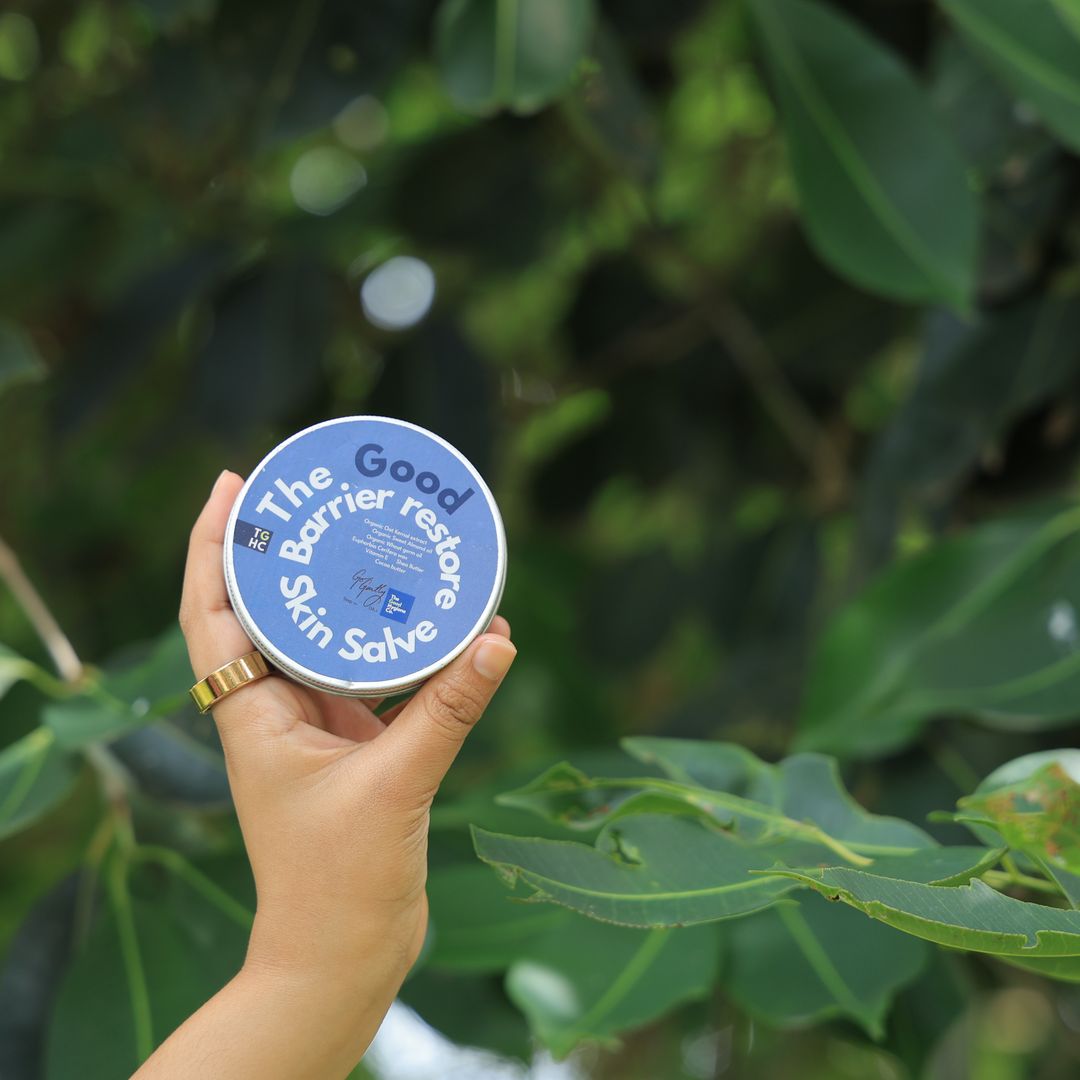

Stratum Corneum Integrity and Environmental Sensitivities
Adopting a barrier-first skincare approach allows the stratum corneum (the outermost layer of the epidermis) to retain essential moisture while minimizing trans-epidermal water loss (TEWL, the passive evaporation of water from the body through the skin). Prolonged exposure to low humidity, surfactant-heavy cleansers, and aggressive chemical exfoliants destabilizes this intercellular matrix, rendering the skin vulnerable to exogenous (external) irritants.
When structural proteins and lipids are depleted, individuals often experience persistent erythema (skin redness), localized stinging, and chronic desquamation (skin peeling). Re-establishing functional balance requires shifting focus away from aggressive resurfacing toward supportive Skincare formulations designed to reinforce intercellular cohesion.
Biochemical Evidence Supporting Physiological Lipid Ratios
The skin’s lipid barrier relies primarily on three fundamental components: ceramides, cholesterol, and free fatty acids. Clinical research demonstrates that synthetic or plant-derived formulations matching the natural physiological ratio—typically 3:1:1 by molar concentration—accelerate membrane recovery far more effectively than single-ingredient applications.
Modern Korean formulations frequently utilize specialized pseudo-ceramides and phytosphingosine (a naturally occurring precursor to ceramides) to mirror human intercellular architecture. Integrating these targeted Ingredients into daily routines helps synthesize structural ceramides from within while repairing external permeability gaps.
Secondary support compounds further improve recovery kinetics under physiological stress.
- Panthenol (Pro-Vitamin B5): Converts to pantothenic acid within cutaneous tissue, enhancing hydration levels while stimulating cell proliferation.
- Madecassoside: Derived from Centella asiatica, this triterpenoid suppresses pro-inflammatory cytokines (signaling proteins that promote inflammation) to calm reactive skin.
- Squalane: A biocompatible lipid that mimics native sebum, providing non-comedogenic emolliency without disrupting natural pore dynamics.
Decoding Structural Technologies on Product Labels
Identifying genuine restorative creams requires analyzing the International Nomenclature of Cosmetic Ingredients (INCI) list for specific structural polymers and lipid delivery systems. Standard formulations often combine water and oils using basic surfactants, which may disrupt delicate cell membranes if used excessively.
In contrast, advanced products leverage Multi-Lamellar Emulsion (MLE) technology, which arranges lipid layers in cross-hatching patterns identical to human skin. Reviewing a comprehensive K-Beauty Guide can help consumers distinguish between basic surface occlusives and bio-identical repair matrixes.
Systematic Routine Placement and Active Compatibility
Restorative products perform best when layered strategically according to molecular weight and fluid viscosity. Applying lightweight aqueous serums before dense ceramide creams ensures deep humectant absorption without compromising the outer occlusive layer.
During recovery phases, high-potency exfoliable acids and L-ascorbic acid (pure Vitamin C) should be paused or buffered with soothing bases. Cross-referencing current consumer feedback and verified testing data on platforms like K-Beauty Reviews provides practical insights on product layering without triggering pill formation or cosmetic acne.
Irritation Risks and Profile Sensitivity
While lipid-dense creams excel at repairing dry, cracked skin, rich occlusives can exacerbate conditions like seborrheic dermatitis (an inflammatory skin condition causing flaky scales) or fungal acne (malassezia folliculitis). Dense mixtures containing high concentrations of unrefined botanical oils or heavy shea butter may trap excess sebum inside pores.
Simultaneously, formulations containing added synthetic fragrances or volatile essential oils present heightened sensitization risks for compromised membranes. Selecting fragrance-free, hypoallergenic formulations verified by independent patch testing minimizes adverse cutaneous events.
Regulatory Frameworks and Quality Standards
In South Korea, functional claims regarding skin barrier improvement and hydration retention fall under stringent oversight. According to regulatory safety guidelines published by the Ministry of Food and Drug Safety (MFDS), products making barrier-repair assertions must undergo validated human application tests measuring TEWL reduction over defined periods.
Furthermore, educational documentation maintained by the Korea Cosmetic Association (KCIA) emphasizes strict raw material purity standards and microbiological safety testing for all emulsion products. Regulatory safety standards updated in 2026 continue to mandate full ingredient disclosure and standardized allergen reporting across all domestic manufacturing facilities.
Comparative Matrix of Restorative Product Categories
Selecting the appropriate formulation depends on individual skin type, environmental humidity, and the severity of barrier damage. The breakdown below contrasts three common restorative product formats to assist in objective selection.
| Formulation Type | Primary Lipid Vehicle | Target Skin Condition | TEWL Reduction Efficiency |
|---|---|---|---|
| Hydro-Gel Emulsion | Micro-encapsulation, Squalane | Oily, Combination, Dehydrated | Moderate |
| Lamellar Cream | Ceramide NP, Cholesterol, Fatty Acids | Normal, Dry, Sensitized | High |
| Anhydrous Occlusive Balm | Petrolatum, Plant Waxes | Severely Chapped, Post-Procedure | Very High |
Matching the vehicle type to environmental exposure ensures optimal barrier protection without overburdening pore pathways.
자주 묻는 질문 (FAQ)
Can oily skin types adopt a barrier-first skincare approach?
Yes, oily skin can suffer from internal dehydration and compromised structural lipids. Lightweight gel emulsions containing ceramides and squalane reinforce the barrier without clogging pores.
How long does it take for a compromised skin barrier to recover?
Under consistent lipid-replenishing protocols, epidermal restoration typically takes between two to four weeks, depending on damage severity and baseline skin health.
Should active ingredients be completely stopped during barrier repair?
High-concentration chemical exfoliants and retinoids should be paused temporarily until symptoms like stinging, redness, and peeling subside completely.
Get in Touch
Have questions about your specific situation? Reach out anytime for a personal consultation.