

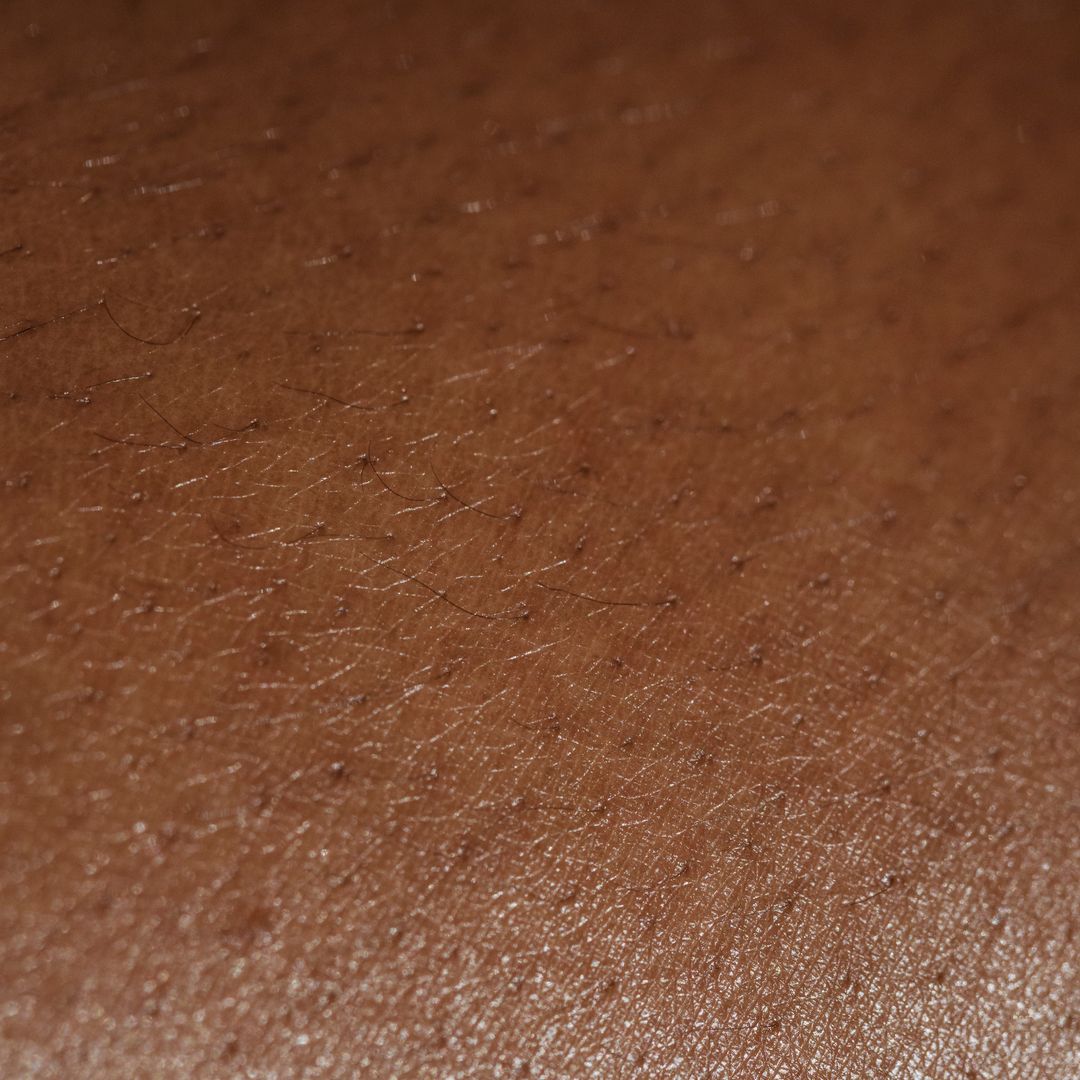
The Integration of Artificial Intelligence in Dermatological Assessment
AI Skin analysis platforms utilize machine learning algorithms to process high-resolution imagery for the purpose of identifying dermatological patterns. These systems compare individual facial topography against large datasets to estimate moisture levels, pigmentation distribution, and pore elasticity. While these tools offer a snapshot of surface-level conditions, they function as supplementary diagnostic aids rather than clinical replacements for professional dermatological evaluations.
Evidence-Based Ingredient Selection and Routine Optimization
The effectiveness of any Skincare regimen remains anchored in the biochemical interaction between active compounds and the stratum corneum (the outermost layer of the skin). When digital tools suggest specific Ingredients, users should verify these recommendations against established dermatological research. For instance, an algorithm may detect early signs of solar damage, prompting a shift toward targeted Anti-Aging protocols, yet the success of these interventions depends on the stability and concentration of the chosen formulations.
Interpreting Digital Results and Label Transparency
Digital skin assessment interfaces often provide simplified metrics that may obscure the complexity of cosmetic chemistry. Readers should prioritize data provided by organizations such as the Ministry of Food and Drug Safety to understand how product claims are verified within the Korean market. Evaluating the safety profile of a product requires more than a digital scan; it necessitates a review of the full ingredient deck to ensure compatibility with individual sensitivity thresholds.
Strategic Placement in Daily Regimens
Incorporating digital insights into a routine requires a methodical approach to product layering. Consistency is critical, as skin cell turnover cycles typically span approximately 28 days, rendering short-term fluctuations in AI metrics less significant than long-term trends. Before adopting new products based on digital feedback, consult K-Beauty Reviews for evidence of real-world performance across diverse skin types.
Risk Mitigation and Regulatory Oversight
Excessive reliance on automated assessments can lead to the overtreatment of minor imperfections, potentially compromising the skin barrier. The Korea Cosmetic Association emphasizes the importance of following standardized application protocols to minimize irritation. Users should exercise caution when digital tools recommend highly active concentrations, as these can trigger adverse reactions if not introduced gradually.
| Assessment Feature | Digital AI Analysis | Clinical Dermatology |
|---|---|---|
| Diagnostic Depth | Surface topography/Texture | Microscopic/Cellular analysis |
| Primary Goal | Routine personalization | Pathological diagnosis |
| Verification | Algorithm-based | Peer-reviewed research |
| Safety Oversight | Consumer-driven | Regulatory/Medical standard |
- Moisture Estimation: Often based on light reflection, which can be affected by ambient lighting conditions.
- Pigmentation Mapping: Identifies visible melanin deposits but may not distinguish between superficial and deep-dermis issues.
- Barrier Health: Digital tools struggle to measure transepidermal water loss (TEWL) without physical sensors.
- Product Matching: Relies on database correlations between identified concerns and ingredient functions.
자주 묻는 질문 (FAQ)
Can an AI skin app diagnose medical conditions like eczema or rosacea?
No, these tools are for cosmetic guidance and cannot replace a physical examination by a licensed medical professional.
Should I trust ingredient recommendations from AI tools?
Use them as a starting point, but always cross-reference the ingredient list with verified safety data from the MFDS to ensure it matches your skin’s specific needs.
How often should I use an AI analysis tool to track progress?
Because the skin’s natural turnover cycle takes about a month, performing an analysis more than once every four weeks may lead to unnecessary concern over minor, temporary fluctuations.
Does AI analysis consider the pH of my cleanser?
Most current AI skin platforms focus on visual data and do not have the capability to test or account for the chemical properties of your specific products.
Get in Touch
Have questions about your specific situation? Reach out anytime for a personal consultation.