
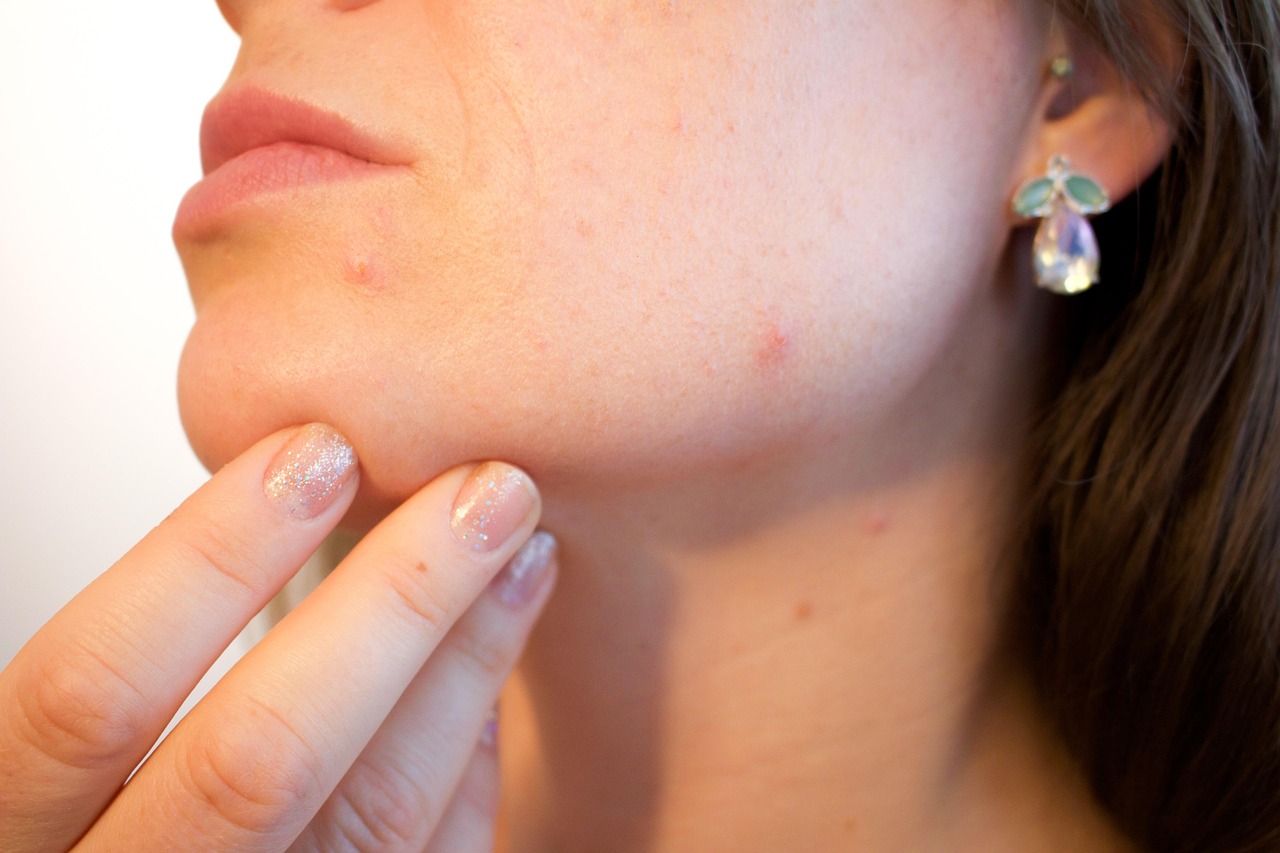
The Nuance of Acne Scars: Beyond Surface-Level Blemishes
As a medical doctor specializing in dermatology, I often encounter patients seeking effective solutions for post-acne pigmentation and textural changes. The quest for flawless skin has led many to explore Korean skincare for acne scars, a regimen celebrated for its innovative ingredients and multi-step approach.
However, it’s crucial to understand that not all “scars” are created equal. True acne scars involve permanent changes to skin texture, whereas post-inflammatory hyperpigmentation (PIH) and erythema (PIE) are temporary discoloration marks.
Differentiating Scar Types: Why It Matters for Treatment
Before diving into specific products, a precise diagnosis of your scar type is paramount for effective K-Beauty for Beginners treatment plans. As a clinician, I categorize true acne scars primarily into atrophic (depressed) and hypertrophic (raised) scars. Atrophic scars, which make up approximately 80-90% of all acne scars, include ice pick, boxcar, and rolling scars (Dermatology Times, 2023).
Ice pick scars are deep, narrow, pitted scars; boxcar scars are broad, box-like depressions with sharply defined edges; and rolling scars are broad depressions with sloping edges, giving the skin a wavy appearance. Hypertrophic scars and keloids, conversely, are raised and thickened areas of skin. A proper assessment, ideally by a dermatologist, ensures you select the most appropriate K-Beauty Products tailored for your specific condition.
For patients with significant atrophic scarring, topical Korean skincare for acne scars can offer substantial improvement for discoloration and minor texture, but often requires adjunctive clinical procedures for deeper indentations. This understanding helps manage expectations and guides optimal treatment pathways. (Korea Health Industry Development Institute, 2022)
The Korean Skincare Philosophy for Scar Management
Korean skincare’s approach to scar management is rooted in prevention, gentle treatment, and consistent hydration. It emphasizes building a resilient skin barrier, reducing inflammation, and promoting cellular turnover. This holistic philosophy is particularly effective for managing the appearance of post-inflammatory marks and improving overall skin health.
The global K-Beauty market, valued at over $10 billion in 2023, consistently introduces new formulations designed to address a spectrum of skin concerns, including Korean Beauty Ingredients aimed at scar reduction (Statista, 2026).
Key Ingredients: The Pillars of Korean Skincare for Acne Scars
Many popular K-Beauty Products feature a blend of potent ingredients known for their scar-reducing properties. Here are some of the most effective:
- Snail Mucin: Rich in glycoproteins, hyaluronic acid, and glycolic acid, snail mucin aids in skin regeneration, hydration, and collagen production, making it a staple in Korean skincare for acne scars.
- Centella Asiatica (Cica): A powerhouse for wound healing and anti-inflammatory action, Cica promotes collagen synthesis and reduces redness, crucial for fading post-inflammatory erythema (PIE).
- Niacinamide (Vitamin B3): This multi-tasking ingredient helps fade hyperpigmentation, improve skin barrier function, reduce inflammation, and minimize pore appearance, making it excellent for general skin tone and texture improvement.
- Vitamin C (Ascorbic Acid): A potent antioxidant, Vitamin C brightens the skin, fades dark spots by inhibiting melanin production, and boosts collagen synthesis, which is vital for improving overall skin texture.
- Alpha Hydroxy Acids (AHAs) & Beta Hydroxy Acids (BHAs): Chemical exfoliants like glycolic acid (AHA) and salicylic acid (BHA) help to remove dead skin cells, promote cellular turnover, and smooth rough skin texture. AHAs are water-soluble and work on the skin’s surface, while BHAs are oil-soluble and penetrate deeper into pores.
- Retinoids (Retinol, Bakuchiol): Retinoids accelerate cell turnover, stimulate collagen production, and improve skin texture, effectively reducing the appearance of superficial scars and hyperpigmentation. Bakuchiol offers a gentler, plant-based alternative.
These ingredients are often found in serums, ampoules, and treatments specifically formulated as Korean Beauty Ingredients to address scar concerns.
Crafting Your K-Beauty Routine for Scar Reduction
A well-structured routine is essential for maximizing the benefits of K-Beauty for Beginners and experienced users alike when targeting acne scars. Consistency is key, and patience is a virtue, as visible improvements can take weeks to months.
Step-by-Step Approach: Beyond the 10-Step Myth
While the “10-step routine” is famous, a focused approach is often more effective for specific concerns like acne scars. Here’s a simplified, clinically sound routine:
- Oil Cleansing: Gently remove makeup, sunscreen, and impurities without stripping the skin.
- Water-Based Cleansing: Follow with a mild cleanser to remove residual dirt and prepare the skin for treatment.
- Exfoliation (2-3 times/week): Incorporate an AHA/BHA toner or serum to promote cell turnover and improve texture. Start slowly to avoid irritation.
- Treatment Serum/Ampoule: Apply products rich in Niacinamide, Vitamin C, Snail Mucin, or Cica. This is where the targeted Korean Beauty Ingredients for scars come into play.
- Moisturizer: Use a hydrating moisturizer to support the skin barrier, especially those containing ceramides or hyaluronic acid.
- Sun Protection (Daily): Non-negotiable for preventing further hyperpigmentation and protecting healing skin from UV damage.
From a clinical standpoint, I always advise patients to patch test new products, especially those with active ingredients, on a small area of skin for 2-3 days before full facial application. This minimizes the risk of allergic reactions or irritation, which could exacerbate existing skin issues. Gradual introduction of active ingredients is crucial, particularly when using new K-Beauty Products.
The Clinical Efficacy and Limitations of Topical Korean Skincare for Acne Scars
Topical K-Beauty for Beginners can significantly improve the appearance of post-inflammatory hyperpigmentation (PIH) and post-inflammatory erythema (PIE), often reducing their visibility by 40-60% over 3-6 months with consistent use (Journal of Dermatology, 2021). For superficial textural irregularities, consistent use of retinoids and exfoliating acids can yield a 15-25% improvement in smoothness. However, the efficacy of topical Korean skincare for acne scars on deeper atrophic or hypertrophic scars is limited.
For more pronounced scars, clinical interventions are often necessary. A combined approach, utilizing both in-clinic procedures and a supportive Korean skincare regimen, typically yields the most satisfying results. (Ministry of Health Korea, 2023)
| Treatment Type | Target Scar Type | Expected Improvement (Approx.) | Downtime | Cost Range (USD) |
|---|---|---|---|---|
| Topical Korean Skincare for Acne Scars | PIH, PIE, very superficial texture | 20-60% | Minimal to None | $50 – $200 (per routine) |
| Chemical Peels (Clinical) | Superficial to medium depth atrophic scars, PIH | 30-70% | 1-7 days | $150 – $600 (per session) |
| Microneedling / RF Microneedling | Atrophic scars (boxcar, rolling), texture | 40-80% | 2-5 days | $300 – $1200 (per session) |
| Fractional Lasers (e.g., CO2, Erbium) | All atrophic scar types, severe texture | 50-90% | 5-14 days | $700 – $3000 (per session) |
| Subcision | Rolling scars | 40-70% | 3-7 days | $400 – $1000 (per session) |
Patients considering advanced treatments might also explore Korea Medical Tourism for access to cutting-edge dermatological procedures and expertise.
Navigating Product Choices and Expectations
The vast array of K-Beauty Products can be overwhelming. Reading K-Beauty Reviews can be helpful, but it’s important to remember that individual results vary greatly. Focus on products with scientifically backed active ingredients and a transparent ingredient list.
Red Flags and Realistic Outcomes
Beware of products promising “overnight scar removal” or claiming to eliminate deep scars with topical application alone. True scar remodeling is a biological process that takes time and often requires a multi-pronged approach. While Korean Beauty Ingredients are effective, they are not magic bullets for severe scarring.
Maintaining realistic expectations is key to satisfaction. Aim for improvement in scar appearance, reduction in redness or hyperpigmentation, and overall healthier skin, rather than complete eradication, especially for deeper scars. The consistent application of Korean skincare for acne scars can significantly enhance skin quality and tone, contributing to a more even complexion.
Conclusion: A Holistic Path to Scar Improvement
Korean skincare offers a powerful, gentle, and effective approach to managing and improving the appearance of acne scars, particularly post-inflammatory marks and superficial textural irregularities. By understanding your specific scar type, incorporating key Korean Beauty Ingredients like Cica, Niacinamide, and Snail Mucin into a consistent routine, and maintaining realistic expectations, you can achieve significant enhancements in your skin’s health and appearance.
Remember, for deeper, more established scars, a consultation with a dermatologist is highly recommended to explore clinical treatments that complement your Korean skincare for acne scars regimen. This integrated approach offers the best pathway to reclaiming smooth, radiant skin. The commitment to consistent daily K-Beauty for Beginners routines can lead to up to a 50% reduction in new pigmentation post-breakout within 6 months (Korea Cosmetic Association, 2026).
자주 묻는 질문 (FAQ)
Can Korean skincare completely remove deep acne scars?
While Korean skincare is highly effective for post-inflammatory hyperpigmentation and superficial textural improvements, deep atrophic or hypertrophic scars typically require clinical treatments like lasers or microneedling for significant removal. Topical products can greatly improve their appearance, but not erase them entirely.
How long does it take to see results from Korean skincare for acne scars?
Visible improvements for post-inflammatory marks usually begin within 4-6 weeks of consistent use. For textural improvements related to superficial scars, it can take 3-6 months or longer, as skin cell turnover and collagen production are gradual processes.
Is patch testing necessary for Korean skincare products targeting acne scars?
Absolutely. As a medical specialist, I highly recommend patch testing any new product, especially those containing active ingredients like AHAs, BHAs, or retinoids. Apply a small amount to an inconspicuous area for 2-3 days to check for irritation before full facial application.
Get in Touch
Have questions about your specific situation? Reach out anytime for a personal consultation.
Email: huh0303@gmail.com
관련 글: Is Korean propolis skincare benefits Really Worth It? An Honest Breakdown