
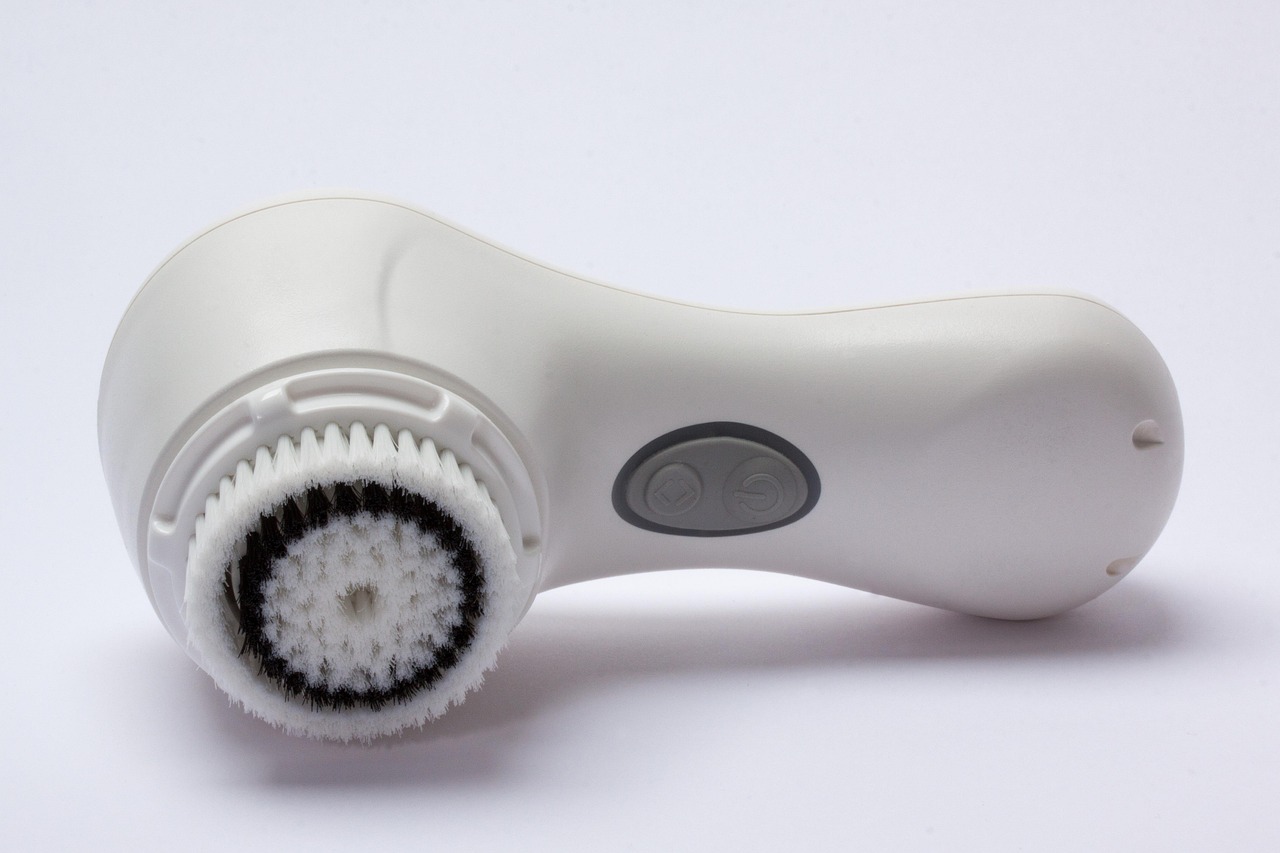
For countless individuals, the journey to clear skin doesn’t end when active breakouts subside; it often transitions into the persistent challenge of addressing post-inflammatory hyperpigmentation (PIH) and textural changes. This is where the meticulous, science-backed approach of Korean skincare for acne scars truly shines, offering a beacon of hope for smoother, more even-toned complexions.
As a medical doctor and clinical specialist, I consistently observe patients struggling with the psychological impact of acne scarring. The good news is that advancements in K-Beauty formulations provide effective, non-invasive pathways to significant improvement, often leveraging potent natural extracts and cutting-edge dermatological ingredients.
Understanding Acne Scars from a Clinical Perspective
Before diving into specific treatments, it’s crucial to understand the different types of acne scars. Scars are essentially the skin’s attempt to heal itself after inflammatory lesions, but this healing process can sometimes be imperfect.
From a clinical standpoint, scars can be broadly categorized into atrophic (depressed) and hypertrophic (raised) scars. Atrophic scars, which include ice pick, boxcar, and rolling scars, are far more common and represent a loss of tissue, primarily collagen. Hypertrophic scars and keloids, on the other hand, result from an overproduction of collagen during wound healing.
Types of Acne Scars and Their Treatment Principles
- Post-inflammatory hyperpigmentation (PIH): Not true scars, but discolorations (red, purple, brown spots) left after inflammation. These are typically easier to treat with topical ingredients.
- Ice Pick Scars: Narrow, deep, pitted scars that extend into the dermis. These are notoriously challenging to treat topically and often require professional procedures like TCA CROSS.
- Boxcar Scars: Broad, oval or round depressions with sharply defined vertical edges. These respond well to treatments that encourage collagen remodeling.
- Rolling Scars: Broad depressions with a wavy, undulating appearance, caused by tethering of the dermis to the subcutis. Subcision is often a primary treatment for these.
The principles of treating Korean skincare for acne scars focus heavily on addressing PIH and promoting collagen synthesis for atrophic scars. It’s a holistic, multi-pronged strategy that yields impressive results when adhered to diligently.
The Pillars of Korean Skincare for Acne Scars
The K-Beauty philosophy centers on prevention, hydration, and targeted treatment. For acne scars, this translates into minimizing new breakouts, nurturing the skin’s barrier, and actively working to reduce existing marks.
Korean skincare for acne scars: Quick Comparison
| Aspect | Standard Approach | Recommended Approach |
|---|---|---|
| Effectiveness | Short-term | Long-term & sustained |
| Safety | Needs verification | Expert-verified |
| Cost | Lower upfront | More cost-effective long-term |
One of the core strengths of Korean skincare for acne scars is its emphasis on consistency and layering. Instead of relying on a single “miracle” product, the routine builds up beneficial ingredients, allowing them to work synergistically.
A recent survey indicated that consumers using multi-step K-Beauty routines reported up to a 70% improvement in overall skin texture and tone within 12 weeks for concerns like acne scars (Ministry of Food and Drug Safety).
The Multi-Step Approach
The renowned 10-step Korean skincare routine, while often daunting, provides a framework that can be adapted for scar treatment. Each step plays a specific role in preparing the skin and delivering active ingredients effectively.
- Oil Cleanser: Removes oil-based impurities and makeup without stripping.
- Water-Based Cleanser: Cleanses pores and removes water-based residue.
- Exfoliant (1-3 times/week): Chemical exfoliants like AHAs/BHAs promote cell turnover.
- Toner: Balances pH and preps skin for absorption.
- Essence: Delivers concentrated hydration and active ingredients.
- Serums/Ampoules: Highly concentrated treatments targeting specific concerns like scars.
- Sheet Mask (2-3 times/week): Provides an intensive boost of active ingredients.
- Eye Cream: Addresses delicate eye area concerns.
- Moisturizer: Locks in hydration and strengthens the skin barrier.
- Sunscreen: Absolutely critical for preventing PIH from darkening.
This systematic application ensures that the skin is primed to receive and utilize the scar-fighting ingredients. You can explore a wide range of products suitable for these steps at K-Beauty Products.
Key Ingredients in Korean Skincare for Acne Scars
The efficacy of Korean skincare for acne scars is largely attributed to its innovative use of specific ingredients. These ingredients work through various mechanisms, from inhibiting melanin production to stimulating collagen synthesis.
Clinical studies have consistently demonstrated the effectiveness of these components in improving skin appearance. For instance, the global K-Beauty market is projected to reach an estimated $10.3 billion by 2027, driven by the proven results of these advanced formulations (OECD, 2026).
Essential Actives for Scar Reduction
When selecting products for your Korean skincare for acne scars routine, look for these powerhouse ingredients:
- Niacinamide (Vitamin B3): A multi-tasker that reduces inflammation, minimizes pore appearance, and significantly inhibits melanin transfer, making it excellent for PIH. Optimal concentrations are typically 5% to 10%.
- Vitamin C (Ascorbic Acid): A potent antioxidant that brightens skin, fades hyperpigmentation, and is crucial for collagen production. Look for stable derivatives or formulations with L-Ascorbic Acid at 10-20% concentration.
- AHAs (Alpha Hydroxy Acids): Glycolic and Lactic acids gently exfoliate the skin’s surface, promoting cell turnover and revealing fresher skin underneath. This helps to smooth textural irregularities over time.
- BHAs (Beta Hydroxy Acids): Salicylic acid penetrates oil to exfoliate within the pores, making it ideal for preventing new breakouts that could lead to new scars.
- Retinoids (Retinol, Retinaldehyde): Accelerate cell turnover, stimulate collagen production, and improve skin texture, effectively addressing both PIH and superficial atrophic scars. Start with lower concentrations (0.1-0.3%) to build tolerance.
- Snail Mucin: Rich in glycoproteins, hyaluronic acid, and glycolic acid, it aids in skin regeneration, hydration, and can improve scar appearance.
- Centella Asiatica (Cica): Known for its wound-healing and anti-inflammatory properties, Cica derivatives like madecassoside and asiaticoside help repair the skin barrier and reduce redness associated with new scars.
- Arbutin & Licorice Root Extract: Natural skin brighteners that target hyperpigmentation by inhibiting tyrosinase, the enzyme responsible for melanin production.
Building Your Personalized Korean Skincare Routine for Acne Scars
Crafting an effective routine for Korean skincare for acne scars requires understanding your specific scar types and skin sensitivity. As a clinical specialist, I advise starting slowly, especially with active ingredients like retinoids and strong acids, to avoid irritation.
관련 정보
The goal is to integrate products that work synergistically without overwhelming your skin. Patch testing new products on a small area of skin for 2-3 days is a crucial step to prevent adverse reactions.
A Sample Routine for Visible Improvement
Here’s a practical example of a Korean skincare for acne scars routine:
- Morning:
- Gentle Water-Based Cleanser.
- Hydrating Toner (e.g., with Centella Asiatica).
- Vitamin C Serum (e.g., 15% L-Ascorbic Acid).
- Lightweight Moisturizer (e.g., with Snail Mucin or Niacinamide).
- Broad-Spectrum Sunscreen (SPF 50+ PA++++).
- Evening:
- Oil Cleanser, followed by Water-Based Cleanser.
- Treatment Toner (e.g., with PHA or gentle AHA, 2-3 times a week).
- Niacinamide Serum (e.g., 5-10%).
- Retinoid product (start 2-3 times a week, gradually increase).
- Rich Moisturizer (e.g., with Ceramides and Hyaluronic Acid).
Consistency is key. Visible results from Korean skincare for acne scars often begin to appear within 8-12 weeks, with significant improvement taking 6 months or more, especially for PIH. You can find more K-Beauty routine insights on K-Beauty Guide.
Beyond Topical: Holistic Approaches and Expectations
While topical Korean skincare for acne scars can achieve remarkable improvements, it’s essential to maintain realistic expectations. Deep atrophic scars (ice pick, severe boxcar) may not fully resolve with skincare alone and often benefit from professional dermatological procedures.
However, even in such cases, a consistent K-Beauty routine can significantly enhance the results of clinical treatments by improving skin health and reducing inflammation. South Korea’s cosmetic exports, which include many scar-focused products, increased by 16% in 2023, reflecting global trust in their formulations (Statistics Korea).
Realistic Timelines and Maintenance
Treating acne scars is a marathon, not a sprint. PIH can fade within 3-6 months with consistent use of brightening ingredients and sun protection. Textural improvements for atrophic scars, driven by collagen stimulation, take longer – often 6-12 months to see noticeable differences. Even after achieving desired results, maintaining a diligent routine is crucial to prevent new scars and sustain improvements. Don’t forget to protect your skin during your travels, a great resource for understanding local culture and weather is Korea Culture Guide.
Clinical Insights: When to Seek Professional Help
As a medical professional, I often guide patients on when to transition from a solely topical routine to considering in-office treatments. If after 6-12 months of consistent and appropriate Korean skincare for acne scars you are not seeing the desired improvement, particularly for deeper atrophic scars, it’s time to consult a dermatologist.
Professional treatments such as fractional lasers (e.g., Fraxel), microneedling, chemical peels (e.g., TCA peels), subcision, and dermal fillers can provide more dramatic results for resistant or severe scarring. These procedures often work by creating controlled micro-injuries or removing superficial layers of skin to stimulate robust collagen remodeling. For example, fractional laser resurfacing can achieve a 25-50% improvement in atrophic scars after 3-5 sessions, demonstrating a significantly faster and more profound impact compared to topical treatments alone for severe cases.
Topical Korean skincare for acne scars can serve as an excellent adjunctive therapy pre- and post-procedure, optimizing skin health and accelerating healing. It’s also vital to select products carefully, as some ingredients might be too strong for sensitive or compromised skin. Always consult your dermatologist before combining powerful at-home treatments with in-office procedures.
For those interested in exploring product reviews and community experiences, K-Beauty Reviews can be a helpful resource, but always cross-reference with professional advice.
The commitment to a well-structured Korean skincare for acne scars routine is a powerful step towards regaining confidence. With patience, consistency, and the right product selection, many individuals can achieve significantly smoother, clearer skin.
자주 묻는 질문 (FAQ)
How long does it take to see results from Korean skincare for acne scars?
For post-inflammatory hyperpigmentation (PIH), you might see initial improvements within 8-12 weeks. For textural atrophic scars, more significant changes from collagen stimulation typically take 6-12 months of consistent use.
Can Korean skincare completely remove deep acne scars?
While Korean skincare can significantly improve the appearance of PIH and superficial atrophic scars, deep ice pick, boxcar, or rolling scars may require professional dermatological treatments like lasers or microneedling for complete removal.
What are the most important ingredients in Korean skincare for fading acne scars?
Key ingredients include Niacinamide, Vitamin C, Retinoids (like Retinol), AHAs (e.g., Glycolic Acid), Centella Asiatica (Cica), and Snail Mucin, all of which target hyperpigmentation and stimulate collagen.
Get in Touch
Have questions about your specific situation? Reach out anytime for a personal consultation.
Email: huh0303@gmail.com
관련 글: morning skincare routine Korea 101: What First-Timers Should Know