In the dynamic world of K-Beauty, one ingredient is consistently buzzing with praise for its incredible skin benefits: propolis. If you’re seeking a natural, potent solution for healthier, more resilient skin, then **propolis skincare Korea** offers an unparalleled experience. This powerful resin, collected by bees, is a skincare hero renowned for its healing, protective, and soothing properties. Let’s dive deep into why propolis has become a cornerstone of Korean beauty routines and how you can harness its magic.
## Table of Contents
- Why Propolis Skincare Korea is a Game-Changer
- The Power of Propolis Skincare Korea: Key Benefits
- Understanding Propolis: Beyond the Buzz
- Top Propolis Skincare Korea Products You Need
- Integrating Propolis into Your K-Beauty Routine
- How to Choose the Best Propolis Skincare Korea Products
- Propolis vs. Other K-Beauty Powerhouses
- FAQ Section
- Conclusion
Why Propolis Skincare Korea is a Game-Changer
Propolis has been revered for centuries in traditional medicine, but its skincare potential has truly blossomed in the K-Beauty industry. Its unique composition makes it a versatile ingredient for various skin concerns.
Ancient Remedy, Modern Science
Historically, propolis was used by ancient civilizations for its medicinal properties. Modern scientific research has validated many of these uses, particularly its **antioxidant** and **anti-inflammatory** effects. A 2017 study published in *Oxidative Medicine and Cellular Longevity* highlighted propolis’s significant role in combating oxidative stress, a major factor in skin aging.
K-Beauty’s Embrace
Korean skincare brands have mastered the art of formulating propolis to maximize its efficacy and deliver visible results. The focus on **skin barrier health** and natural ingredients in K-Beauty aligns perfectly with propolis’s inherent benefits, making it a staple in many product lines.
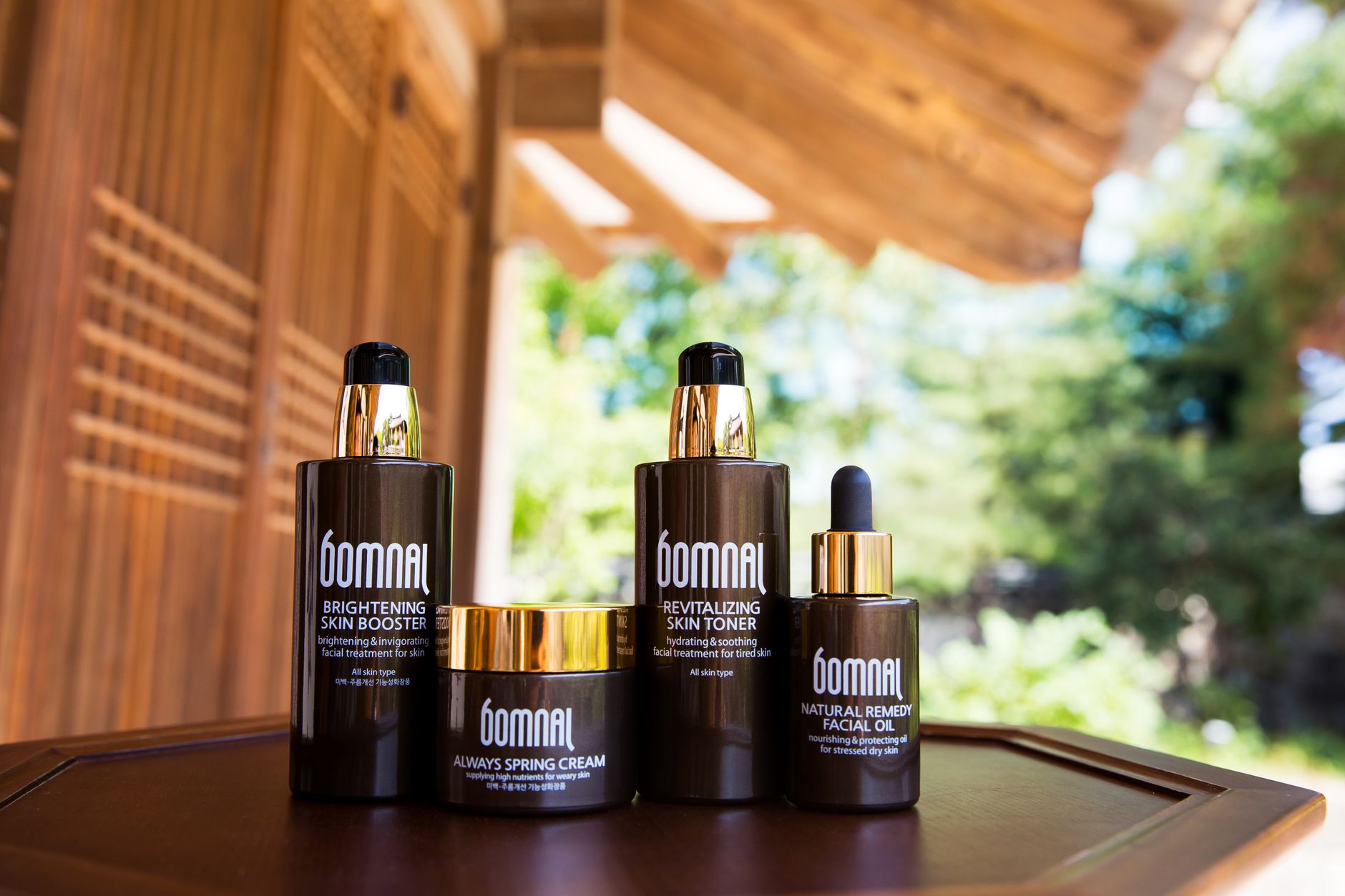
The Power of Propolis Skincare Korea: Key Benefits
The appeal of **propolis skincare Korea** lies in its multifaceted benefits, addressing everything from sensitivity to aging concerns.
Antioxidant Shield
Propolis is rich in flavonoids and polyphenols, potent antioxidants that protect skin cells from environmental damage and free radicals. This helps prevent premature aging and maintains skin’s youthful vitality. Research from the National Institutes of Health (NIH) in 2018 emphasized propolis’s potential in dermatological applications due to its antioxidant capacity. Learn more about propolis research.
Soothing & Healing
For sensitive or irritated skin, propolis acts as a balm. Its anti-inflammatory properties help calm redness, reduce discomfort, and accelerate the healing process of minor blemishes or compromised skin. This makes it ideal for those prone to breakouts or sensitivity.
Barrier Support
A healthy skin barrier is crucial for retaining moisture and protecting against external aggressors. Propolis helps strengthen this barrier, leading to more resilient, hydrated skin.
- Calms Redness: Reduces inflammation and irritation.
- Boosts Radiance: Improves overall skin tone and glow.
- Fights Acne: Possesses antibacterial properties.
- Deep Hydration: Supports skin’s moisture retention.
- Anti-Aging: Protects against environmental damage.
Understanding Propolis: Beyond the Buzz
To truly appreciate propolis, it helps to understand its origin and what makes it so special.
What is Propolis?
Propolis, often called “bee glue,” is a resinous mixture that honey bees produce by mixing their saliva and beeswax with exudate gathered from tree buds, sap flows, or other botanical sources. Bees use it to seal unwanted open spaces in the hive, protect against pathogens, and maintain structural integrity.
Key Components
The exact composition of propolis varies based on geographical location and botanical source, but it typically contains:
- Resins (50%)
- Waxes (30%)
- Essential oils (10%)
- Pollen (5%)
- Various organic compounds, including flavonoids, phenolic acids, and amino acids (5%)
These compounds contribute to its potent biological activities.
Top Propolis Skincare Korea Products You Need
Korean brands have innovated a wide array of propolis-infused products. Here’s a look at common types and their benefits.
Serums & Essences
Often featuring high concentrations of propolis extract, these are excellent for targeted treatment. They penetrate deeply to deliver maximum benefits. Explore the Korean essence vs serum difference to choose what’s best for you.
Moisturizers & Creams
These provide lasting hydration and barrier support, sealing in the benefits of previous steps. They are perfect for daily use. For similar benefits, check out hydrating Korean moisturizers.
Toners & Cleansers
Propolis toners can soothe and prep the skin, while cleansers offer a gentle yet effective cleansing experience. Compare options with our Korean toner types comparison.
| Product Type | Key Benefit | Ideal For |
|---|---|---|
| Serum/Essence | Targeted Treatment, High Potency | Boosting radiance, calming irritation |
| Moisturizer/Cream | Hydration, Barrier Reinforcement | Dry, sensitive, or aging skin |
| Toner | Prepping, Soothing, Balancing | All skin types, especially sensitive |
Integrating Propolis into Your K-Beauty Routine
Adding propolis products to your existing regimen is simple and highly effective. Follow these steps for optimal results within your Korean skincare routine steps.
Step-by-Step Application
- Cleanse: Start with a gentle propolis cleanser.
- Tone: Apply a propolis toner to balance skin.
- Essence/Serum: Pat in a propolis essence or serum for concentrated benefits.
- Moisturize: Finish with a propolis-infused moisturizer.
- SPF (AM): Always apply sunscreen in the morning.
For enhanced effects, consider layering propolis with other beneficial ingredients like those found in fermented skincare Korea brands.
How to Choose the Best Propolis Skincare Korea Products
With so many options, selecting the right propolis product requires a bit of discernment.
Ingredient Concentration
Look for products where propolis extract (often listed as *Propolis Extract*) is high on the ingredient list, indicating a significant concentration. Some products boast 70% or even 80% propolis content.
Skin Type Matching
While propolis is generally well-tolerated, consider your specific skin needs.
- Oily/Acne-Prone: Look for lighter serums or ampoules.
- Dry/Sensitive: Opt for rich creams or essences with added hydrating ingredients.
- Aging Skin: Seek formulas that combine propolis with other anti-aging powerhouses, perhaps even alongside retinol Korean brands review.
A 2020 market analysis by Statista projected significant growth in the natural skincare segment, with propolis being a key driver. Explore market trends.
Propolis vs. Other K-Beauty Powerhouses
How does propolis stack up against other beloved K-Beauty ingredients?
Propolis vs. Centella Asiatica
Both are phenomenal for soothing and healing, but with subtle differences. Centella Asiatica (Cica) is often lauded for intense wound healing and scar reduction, while propolis excels in overall **skin protection**, anti-inflammatory action, and antioxidant defense. An expert, Dr. Ji-Eun Lee, a K-Beauty dermatologist, states, “Propolis offers a broader spectrum of protective benefits, making it an excellent daily defense against environmental stressors, while Cica is unparalleled for targeted repair.” For sensitive skin, both are excellent choices; perhaps consider best K-beauty serums for sensitive skin that combine these.
| Feature | Propolis | Centella Asiatica (Cica) |
|---|---|---|
| Primary Benefit | Antioxidant, Anti-inflammatory, Barrier Support | Soothing, Healing, Collagen Production |
| Key Compounds | Flavonoids, Phenolic acids | Asiaticoside, Madecassoside |
| Best For | Overall skin health, protection, radiance | Intense repair, calming active irritation |

FAQ Section
Q: Is propolis skincare suitable for all skin types?
A: Yes, propolis is generally well-tolerated by most skin types, including sensitive and acne-prone skin, due to its soothing and anti-inflammatory properties.
Q: Can propolis cause allergic reactions?
A: While rare, individuals with bee allergies or allergies to honey should perform a patch test before using propolis products, as it is a bee-derived ingredient.
Q: How long does it take to see results from propolis skincare?
A: Many users report seeing improvements in skin calmness and hydration within a few weeks, with more significant changes in radiance and overall skin health appearing over 1-2 months of consistent use.
Q: Can I use propolis with other active ingredients like Vitamin C or Retinol?
A: Yes, propolis is a stable ingredient and generally pairs well with most actives. Its soothing properties can even help mitigate potential irritation from stronger ingredients like retinol.
Q: What percentage of propolis is effective in skincare?
A: Concentrations vary, but products with 10% to 70% propolis extract are common and effective. Higher concentrations often indicate more potent effects.
Q: Is propolis vegan?
A: No, as propolis is a bee product, it is not considered vegan. For vegan alternatives, look for plant-based ingredients with similar soothing and antioxidant properties.
Q: Where does Korean propolis come from?
A: Korean propolis can come from various regions, including local Korean sources, but many brands also source high-quality propolis from other areas known for rich botanical diversity, ensuring potent extracts.
Conclusion
**Propolis skincare Korea** is more than just a trend; it’s a testament to the enduring power of natural ingredients backed by science. From its **antioxidant prowess** to its soothing and barrier-strengthening capabilities, propolis offers a holistic approach to achieving radiant, healthy skin. Embrace the golden secret of the bees and transform your complexion. Discover the magic yourself – your skin will thank you!
Get in Touch
Have questions about your specific situation? Reach out anytime for a personal consultation.
Email: huh0303@gmail.com